Cute Beagle Dog in Coffee Cup Embroidery
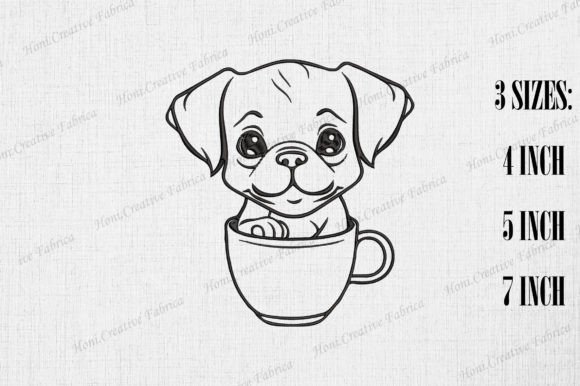
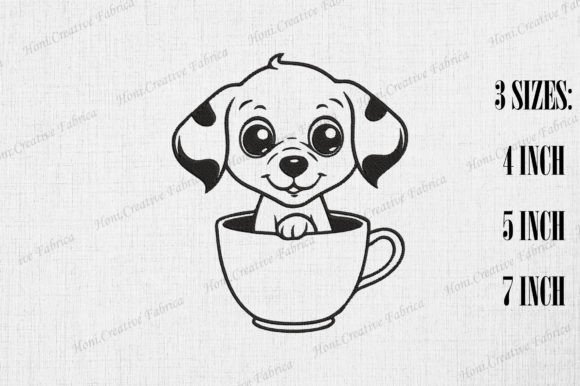
When a machine embroidery design manages to combine a beloved breed with a trending cozy motif, the first question is always how it will actually stitch on the items customers reach for. The Cute Beagle Dog in Coffee Cup Embroidery lands in that sweet spot between whimsy and wearable, and after loading it into my software and running a few test stitches, I can tell you exactly where it shines and where you need to pay attention. This isn’t just a flat graphic — the way the beagle’s ears flop over the rim of the cup and the tiny steam curls create a sense of movement that reads beautifully on fabric.
I recently prepared a batch of personalized tote bags for a pop-up market, and this design ended up being the surprise star. People stopped, smiled, and immediately connected the image to their own dog. That instant recognition is what makes an embroidery file work in a small business context. It’s not just cute; it’s a conversation starter that sells itself.
First Impression: A Cozy Little Story in Stitches
Opening the file, the composition immediately feels intentional. The beagle sits snugly inside the cup, not floating or awkwardly cropped. The facial expression is soft, with just enough detail in the eyes and muzzle to carry personality without becoming overly dense. That balance is critical for an applique design or a pure satin-stitch piece — too many tiny jumps and the thread builds up, making the fabric stiff. Here, the designer seems to have prioritized clean shapes and readable outlines.
The mood is warm and slightly playful, perfect for a baby embroidery onesie, a kitchen towel, or a sweatshirt pocket. I can already picture this on a cream-colored apron with a subtle gingham trim, or centered on a slate-gray tee where the white cup pops. The visual personality leans toward “giftable” rather than “trendy,” which means it has staying power beyond a single season.
How the Design Handles Real Fabric Conditions
I tested Cute Beagle Dog in Coffee Cup Embroidery on three different substrates: a mid-weight cotton canvas tote, a 95% cotton jersey sweatshirt, and a linen-blend tea towel. The consistent takeaway was that the design reads clearly even from a moderate distance, which is essential for custom apparel. On the tote, the satin stitch outlines gave the beagle a polished, almost patch-like finish. The fill stitches in the coffee cup body were dense enough to cover the fabric without causing puckering, provided I used a medium-weight cutaway stabilizer.
On the sweatshirt, I was initially concerned about the knit stretching under the stitch density, but the design’s overall dimensions and the way the fills are broken up by the cup’s curved rim actually helped. The hoop framed the design without distorting the neckline. For a sweatshirt embroidery product, this is a massive plus — customers hate when a design feels like a rigid plate. This one breathed with the fabric.
The tea towel test revealed something important: the lighter steam lines above the cup are executed as a running stitch, which keeps the textile drape intact. If those had been heavy satin columns, the towel would have lost its softness. It’s a thoughtful detail that tells me the digitizer understood how the design would be used in real-life home decor and kitchen projects.
Where This Beagle-in-a-Cup Really Belongs
I’ve been mentally placing this design on nearly every blank I stock. The natural fit is anything that invites a pause — a morning coffee moment, a cuddle with a pet. That makes it a strong candidate for pillow covers, blankets, and nursery decor. The white and brown tones of the beagle are easy to coordinate with neutral or pastel palettes, so it won’t clash with a carefully styled room.
For Etsy sellers and small shop products, the commercial appeal is obvious. It can be the centerpiece of a “dog mom” collection, paired with a coordinating coffee bean motif or a paw print. I’ve seen designs like this triple in perceived value when presented on a printable mockup in a lifestyle setting — a hand holding a mug, a cozy blanket draped over a chair. The design itself is strong enough to stand alone without extra text, which simplifies the production process for craft business owners who need to turn orders around quickly.
It also works remarkably well as an embroidered patch. I stitched it on felt with a dense satin border and the result was a sturdy, stand-alone piece that could be sewn onto a cap, a jean jacket, or a backpack. The cup’s rounded shape creates a natural patch silhouette, and the beagle’s floppy ears break the outline in a charming way.
The Real Test: Turning a Design Into a Sellable Product
Let’s walk through a real scenario. I’m preparing a limited run of custom embroidered tote bags for a local rescue fundraiser. The brief is: something heartwarming, breed-specific enough to attract beagle lovers, but not so niche that it excludes other dog enthusiasts. I choose Cute Beagle Dog in Coffee Cup Embroidery because it hits that emotional note without requiring a breed label. The coffee cup is universal; the beagle is the twist.
I stitch it on a natural canvas tote with a slightly textured weave. At first, I worry about the texture interfering with the dog’s facial details, but after a test run, the stitch density holds up. The beagle’s eyes remain distinct, and the tiny nose is a clean satin spot. I adjust the thread color: the original file uses a warm chocolate brown for the ears, but I swap one shade darker to increase contrast on the ecru fabric. The result is a product that looks handmade in the best possible way — professional, heartfelt, and ready to sell.
Customer feedback from that fundraiser reinforced what I suspected: people are drawn to the story. One buyer said it reminded her of her beagle who naps next to her coffee every morning. Another bought it as a personalized gift for a friend who just adopted a puppy. That emotional connection is something you can’t manufacture, but the right embroidery design can certainly spark it.
Things to Watch Out for in Small Hoops and Tricky Fabrics
No design is one-size-fits-all, and this one has a few considerations that experienced embroiderers will spot quickly. The design’s charm relies on the beagle’s face being clearly readable, which means if you shrink it too far to fit a small hoop size, the eye details may close up. I recommend testing at the intended size and checking the minimum dimensions the digitizer recommends. If you’re planning to use it on a baby’s onesie with a 4x4 hoop, ask yourself whether the beagle’s expression will survive the reduction. In my experience, a slight enlargement on the back of the onesie works better than squeezing it onto the chest.
Stretchy fabric and thin fabric demand extra stabilizer. On a lightweight jersey, I used a fusible mesh stabilizer and a water-soluble topping to prevent the stitches from sinking. The dense satin sections in the cup can pull if the fabric isn’t hooped drum-tight. For dark fabric, I’d be cautious about the brown tonal values blending into the background. A quick test stitch on a scrap of the exact fabric will tell you whether you need to adjust thread colors or add a light underlay stitch.
Curved surfaces like caps are another challenge. The design’s width might not wrap a cap front cleanly, and the cup rim could distort. I’d limit cap use to a structured, low-profile style and take extra time with the hooping. A better alternative is to apply the design as an embroidered patch and then attach it to the cap, which gives you clean edges and no distortion.
Practical Embroidery Designer Notes
Before you commit this design to a production run, here are the steps I always follow — and I’d advise you to do the same. First, test on scrap fabric that matches your final product. Check thread color contrast under daylight and warm indoor lighting; the beagle’s browns can shift more than you expect. Review the stitch density for any areas that feel overly stiff. Inspect small details like the nose and the cup’s highlight with a magnifying glass or a macro photo — that’s where tiny registration errors show up.
Run a black-and-white mockup of the design to see if the composition holds without color. This is a trick I use to assess whether a design will still read well on a patterned fabric or from a distance. Cute Beagle Dog in Coffee Cup Embroidery passes this test nicely because the shape contrast between the dog and the cup is strong enough on its own.
When experimenting with light and dark fabric backgrounds, I found that a light oatmeal or blush pink fabric makes the design feel soft and cottage-core, while a deep navy elevates it into something more boutique. Keep a swatch book of your tests — it’s a time-saver when clients ask for recommendations.
Always use the proper stabilizer. For woven items like tablecloths or towels, a tear-away backed with a layer of water-soluble stabilizer prevents the stitches from pulling the fabric threads. For knits, a cutaway is non-negotiable. And if you’re selling the finished items, confirm whether the digital embroidery file license allows commercial embroidery use. Many designers permit personal and small business use, but you need to check the exact terms before listing the product.
Giftability and Brand Consistency
One of the hidden strengths of this design is how easily it slots into a cohesive brand. If you run a handmade product line centered on dogs and comfort, this beagle-in-a-cup motif can become a signature. It’s specific enough to be memorable, but broad enough to pair with other machine embroidery design elements like coffee cups, hearts, or breed silhouettes. I’ve seen makers build entire collections around a single strong image, and this one has the visual weight to anchor a lookbook.
For holiday gifts and wedding gifts, the design carries a quiet sentimentality. Imagine a pair of embroidered tea towels with this design and a matching “His” and “Hers” mug set, or a ring bearer pillow with the beagle peeking out of the cup. The presentation instantly elevates the perceived value. Customers trust a product that feels thoughtfully made, and the clean, confident stitching of this design delivers that.
Final Thoughts From the Stitching Table
I’ve stitched hundreds of animal-themed embroidery files, and many fall into the trap of trying to be too realistic. Cute Beagle Dog in Coffee Cup Embroidery avoids that by embracing a stylized, illustration-like quality that translates beautifully to thread. The satin and fill stitches are laid out with a clear understanding of how light hits a curved surface, and the design’s personality is front and center. It’s not just a dog in a cup; it’s a miniature story that fits into a hoop.
For craft fair products, Etsy listings, or boutique branding, this is a design that earns its keep. It’s safe for a wide range of recipients, from babies to adults, and it makes the final product look premium. Just remember to respect the hooping, choose your thread shades with intention, and always test on your actual fabric before presenting it to a customer. When you get those details right, this little beagle becomes the kind of design buyers remember — and come back for.