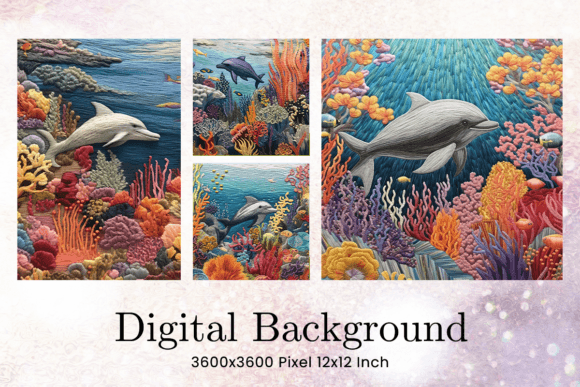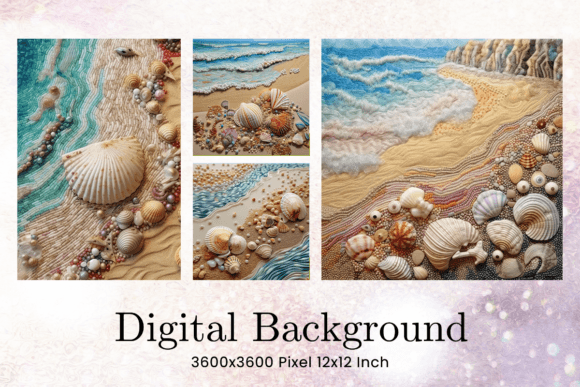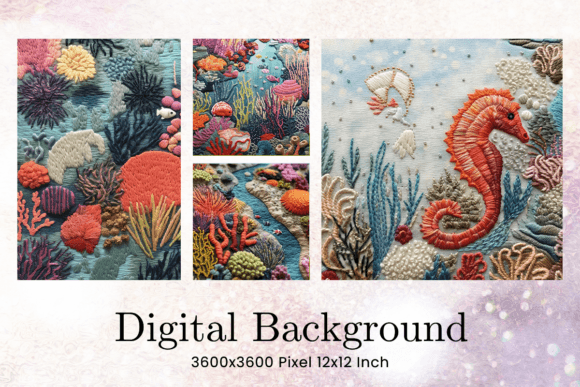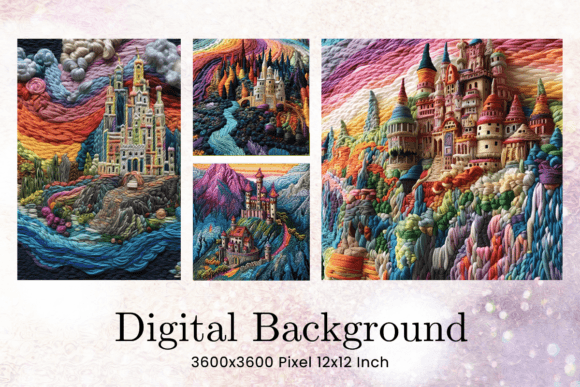
Indian Embroidery Fabric Background for Handmade Gifts
As an embroidery designer who spends every day stitching out personalized gifts, I’m always searching for ways to add richness and emotional depth to finished products. Recently, I stumbled upon the Indian Embroidery Fabric Background on Creative Fabrica, and it immediately caught my eye. This isn’t an embroidery digitized file—it’s a digital JPG download meant for sublimation or graphic design—but that’s exactly what makes it so versatile for a handmade business. Whether you’re creating baby blankets, wedding towels, or custom home decor, this background can elevate your work from simple stitching to a truly layered, heirloom-quality piece. Let me walk you through my honest, hands-on perspective as a stitching professional who’s already tested it in a real gift order.
First Impressions: A Visual Hug of Tradition and Softness
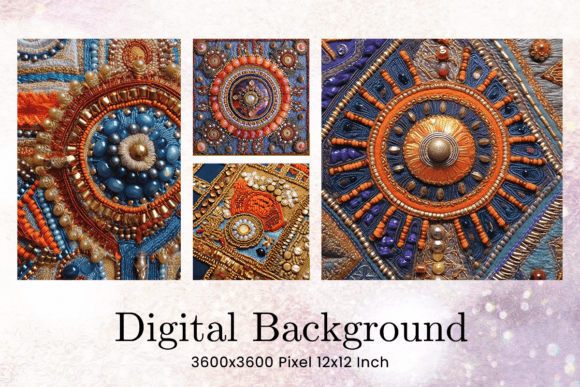
When I opened the file, the first thing that struck me was the intricate, flowing pattern. It carries the soul of traditional Indian textile art—delicate paisleys, floral repeats, and ornamental borders that feel both elegant and romantic. The high-resolution 300 DPI quality means every tiny motif is crisp, even when I zoomed in to plan my embroidery placement. The mood is warm and inviting, with a handmade charm that instantly makes you think of cozy family heirlooms. It’s not overly playful or modern; it’s a classic, timeless design that whispers “cherished” and “forever.” For a personalized gift, this emotional appeal is pure gold—it sets the stage before you even add a single stitch.
The download includes 4 JPG files, so you get a little variety to play with, whether you need a full-coverage fabric print or a accent panel. I can already see this background working beautifully as a backdrop for a baby embroidery project, a wedding keepsake, or a family pillow that tells a story. It’s the kind of design that makes customers feel they’re receiving something deeply special.
Creative Ways to Use This Background for Embroidery Gifts
Because this is a printable graphic, not a stitch file, it opens up a world of hybrid possibilities. My favorite approach is to combine it with actual machine embroidery to create a multi-layered effect. Here’s how I’ve been using it, and how you can adapt it for your own Etsy shop or small craft business:
- Baby blankets and nursery decor: Print the background onto soft cotton or minky fabric via sublimation, then embroider the baby’s name, birth date, or a sweet phrase right over the printed motifs. The result is a coordinated, boutique look that parents adore.
- Wedding gifts: For a bride and groom towel set, sublimate the Indian embroidery pattern onto the towel’s border, then stitch the couple’s names and wedding date in a complementary thread color. It feels luxurious and deeply personal.
- Family keepsakes: Create a custom pillow cover with the background printed on linen, then embroider “Home” or a family name in the center. The handcrafted feel is undeniable.
- Kitchen aprons and tote bags: Print the design on a denim or canvas tote, then embroider a monogram. It transforms a simple item into a high-end gift.
- Printable mockups: Use the JPG files as a digital backdrop for your product photography or listing images on Etsy. It adds a consistent, professional texture that elevates your entire brand.
In each case, the Indian Embroidery Fabric Background acts as the canvas, and your embroidery becomes the focal point. The combination feels intentional and artistic, not like an afterthought.
Practical Considerations: When Print Meets Stitch
As an embroidery designer, I’m always thinking about how a project will hold up in real life. Using a printed background with stitching requires a few extra steps to ensure a flawless finished product.
First, the printing method matters. Sublimation works best on polyester fabrics, so if you’re planning a baby blanket or embroidered towel, choose a polyester-rich base. For cotton items, you might use a high-quality iron-on transfer, but test the washability first. I always recommend a test stitch-out on an identical scrap of printed fabric. This lets you check how the needle interacts with the print—does it cause any distortion? Does the embroidery thread color stand out enough? I’ve found that with the intricate pattern of this Indian design, you need to be mindful of thread color contrast. A soft cream or metallic gold thread can blend into the background, while a deep burgundy or navy pops beautifully. Always compare thread colors under natural light before committing.
Stabilizer choice is crucial. Even though the background is printed, you’re still stitching on fabric, so use a cutaway stabilizer for knits or a tearaway for woven fabrics to prevent puckering. For heavily textured towels, I’d recommend a water-soluble topper as well, so the stitches don’t sink into the loops. The print itself won’t add any bulk, but the underlying fabric texture can affect stitch clarity. If you’re working with stretchy baby clothes, a soft mesh stabilizer is your best friend.
Because the design is a JPG, there’s no stitch density or hoop size to worry about—you’re in full control of the embroidery part. However, you do need to ensure your embroidery file’s dimensions fit within the printed area and that your hoop can comfortably hold the fabric. Always check the product details on Creative Fabrica to confirm the image dimensions and license terms before you start selling the finished items. The 300 DPI resolution ensures the print is sharp, but on dark fabrics, sublimation won’t work; you’d need a different printing method, so keep that in mind when planning your pieces.
Boosting Customer Trust and Perceived Value
In the handmade world, presentation is everything. When a customer receives a gift that combines a beautifully printed fabric background with custom embroidery, they immediately perceive it as more valuable and thoughtfully made. The Indian Embroidery Fabric Background adds that extra layer of storytelling—it’s not just a name on a towel, it’s a heritage-inspired piece. This emotional connection can turn a one-time buyer into a repeat customer and a raving fan.
For Etsy sellers and small shop owners, using this background in your product mockups can also increase click-through rates. When a buyer sees a listing photo with a rich, textile-like backdrop, they’re more likely to imagine the item in their own home. The digital embroidery file community is highly visual, and a compelling background can make your personalized gift listings stand out in a crowded marketplace.
When you present a finished product that combines the printed background with neat, precise embroidery, you’re signaling quality and care. I’ve noticed that customers are willing to pay a premium for items that look like they could be passed down through generations. Washability is also a key trust factor—sublimated prints are permanent, so the design won’t fade or peel, and when paired with properly secured embroidery, the whole piece is durable enough for regular use and gentle washing.
Real-World Case: A Baby Blanket That Became a Family Treasure
Let me share a recent order that really brought this background to life. A client wanted a meaningful gift for her niece’s newborn. I printed the Indian Embroidery Fabric Background onto a soft white polyester blanket using sublimation, focusing the pattern on the corners and border to create a framed effect. Then I embroidered the baby’s full name and birth stats in a delicate gold thread. The result was breathtaking—the printed motifs danced around the letters, and the whole piece felt like a boutique heirloom. The client cried when she saw it, and she later told me the parents framed the blanket as nursery decor. That’s the power of blending a thoughtful background with skilled embroidery.
Practical Embroidery Notes for the Cautious Crafter
Even though this is a graphic background, I still apply my usual embroidery rigor to every project that combines print and stitch. Here’s my checklist that I urge you to follow:
- Create a test stitch-out on the printed fabric to check for any shifting or design clashes.
- Check small details after stitching—make sure the embroidery letters aren’t lost in busy background areas.
- Compare thread colors against the actual print, not just your screen, because colors can vary.
- Test on similar fabric: if you’re making a blanket, test on a blanket swatch; if a towel, test on a towel.
- Confirm your embroidery hoop size can handle the design area comfortably, especially if you’re adding a large name.
- Review stitch density of your embroidery file to avoid stiff, bulletproof embroidery on the soft printed fabric.
- Use proper stabilizer for the fabric type—no shortcuts here.
- Always check product details and licensing on Creative Fabrica before selling finished products. Since this is a Graphics file in the Backgrounds category, you need to ensure the commercial use license covers items you plan to sell.
Remember, you’re not stitching the Indian embroidery design itself—you’re stitching on top of it. That means your embroidery file must be well-digitized and your machine settings dialed in. The background cannot compensate for poor embroidery, but it can certainly amplify beautiful work.
Final Thoughts from a Designer’s Worktable
The Indian Embroidery Fabric Background is a quiet powerhouse for anyone who makes handmade products with heart. It doesn’t scream for attention; instead, it wraps your embroidery in a warm, artisanal embrace. It’s perfect for the crafter who wants to offer custom embroidery with a richer story, whether you specialize in baby embroidery, wedding gifts, or personalized home decor. I’ve already added it to my design toolkit for upcoming craft fair items and Etsy listings, and I can’t wait to see how others use it. Just remember: it’s a digital graphic, not a stitch file, so treat it as a partner to your embroidery, not a replacement. With a little testing and a lot of love, this background can help you create gifts that truly feel like treasures.