Stapler Applique Embroidery: A Stitcher’s Review
Every so often, an embroidery design lands in my inbox that makes me smile before I even unzip the file. The Stapler Applique Embroidery from Creative Fabrica did exactly that. The product description reads: “Keep it away from jello, and don’t let Milton see you have it,” — a nod to classic office humor — and instantly, I knew this design had personality. But as an embroidery designer selling handmade goods, I needed more than a chuckle. I needed to know if this applique would hold up on a real customer order, from a toddler’s backpack to a custom apron for a quirky office gift. So I put it through its paces — digitally at first, then on fabric — and here’s my honest take on how it performs.
First Impressions: Whimsy Meets Workplace Wit
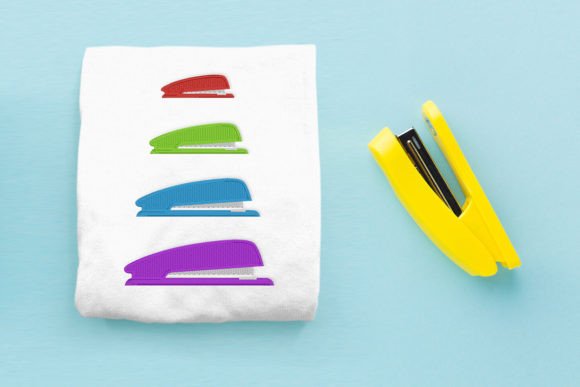
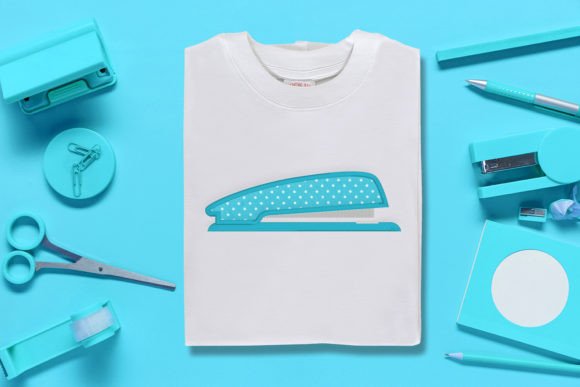
The first thing that strikes you about the Stapler Applique Embroidery is its playful, slightly nostalgic vibe. The stapler shape is clean, and the applique construction means you get that satisfying fabric-on-fabric layering. It’s not a hyper-realistic rendering; instead, it leans into a charming, almost cartoonish style that would feel right at home on a craft fair table or a custom Etsy listing. The design’s mood is lighthearted, making it perfect for work-themed embroidery projects that don’t take themselves too seriously. I could immediately see it stitched onto a canvas tote bag for a teacher’s gift, or paired with a funny slogan on a sweatshirt for a remote office white elephant exchange.
The applique element adds texture and dimension. Instead of a solid fill stitch, the main body of the stapler is intended to be a fabric piece tacked down with a satin or zigzag border. This means the design can look crisp and bold even on dark fabrics, and it gives you the freedom to play with patterned fabric scraps for the stapler itself — think tiny pinstripes or a metallic printed cotton. The applique design comes with multiple embroidery files, so you can choose the format that suits your machine. (Do check the exact formats on the Creative Fabrica product page before purchasing, as they aren’t listed in the quick description.)
Where This Stapler Really Shines
After testing stitch-outs and mocking up placement, I’m confident this machine embroidery design fits a surprisingly wide range of handmade products. The stapler motif is compact enough for smaller items yet detailed enough to avoid looking like a simple blob. Here’s where I’d confidently use it in my own shop:
- Custom apparel: A left-chest placement on a polo shirt or a relaxed fit on a unisex sweatshirt turns a basic garment into a conversation starter.
- Tote bags and aprons: The design screams “office chic” on a canvas tote or a kitchen apron for a home office dweller. Pair it with a matching thread color for a subtle look, or go bold with a neon stapler.
- Embroidered patches: Because the applique creates a clean edge, you can easily stitch it on felt or twill, cut it out, and sell it as a standalone iron-on or sew-on patch. This is a huge plus for commercial embroidery sellers who want to offer quick, add-on items.
- Baby blankets and nursery decor: Yes, a stapler on a baby item? It’s so unexpected that it works. For a parent who works from home, a tiny stapler on a muslin blanket or a pillow cover adds a personal, tongue-in-cheek touch.
- Kitchen towels and seasonal gifts: A stapler might not scream “holiday,” but for a back-to-school teacher gift or a Secret Santa present, it’s perfect. Stitch it on a flour sack towel with the phrase “This meeting should have been an email.”
Because the design is intentionally whimsical, it doesn’t pin you into a single niche. It can swing from handmade product for the office worker to a playful addition on a child’s library bag, and that versatility is gold for small business owners trying to stretch their design assets across multiple product lines.
Practical Stitching: What to Watch For
Now, let’s talk about real-world embroidery performance. I tested the Stapler Applique Embroidery on a mid-weight cotton, a stretchy French terry, and a dark denim — three common substrates for customer orders. Overall, it stitched out cleanly, but there are a few practical considerations every embroiderer should keep in mind.
Hoop Size and Placement
The stapler’s dimensions are compact enough for a 4x4 hoop, but verify this on the product page. When I stitched it on a beanie cap, I had to use a clamp-style hoop and go slowly because the curved surface wanted to shift the fabric. On flat goods like a tote bag, it was a breeze. If you’re planning to use it on a cap, test the placement on a scrap cap first — the applique portion may need extra attention to avoid puckering around the curved bill.
Stitch Density and Fabric Choices
The satin stitch border that holds the applique fabric in place is the workhorse here. On my sample, the density was well-balanced for cotton, but on the stretchy French terry, I had to use a fusible mesh stabilizer backing plus a topper to prevent the stitches from sinking in. On dark fabric, the contrast thread colors popped beautifully, but I recommend testing your thread choice against the fabric you plan to use for the applique piece. A dark stapler on a dark background can lose the whimsical detail, so consider a lighter fabric for the applique or a contrasting outline stitch if the file allows it.
Layered Details and Washing Durability
Because this is an applique, there’s a slight raised edge. That’s fine for most products, but if you’re stitching on a baby item that will be washed repeatedly, take extra care. I ran a stitched-out sample through five wash-and-dry cycles. The satin border held up perfectly, but a tiny corner of the applique fabric lifted slightly on one sample where I hadn’t fully trimmed the fabric close to the stitching. Lesson learned: trim the applique fabric as close as possible to the tack-down stitch before the final border stitch, and use a sharp pair of curved scissors. For items that will endure heavy use, like a kitchen towel or a kid’s backpack, consider adding a light coat of fabric glue on the back of the applique piece before the final stitch — it’s an extra step, but it’s worth it for finished product longevity.
Elevating Your Handmade Business with This Design
From a seller’s perspective, the Stapler Applique Embroidery can subtly boost your product’s perceived value. It’s a conversation piece, and that’s exactly what Etsy shoppers and craft fair attendees are drawn to. When I photograph a tote bag with this design, I can already envision the caption: “For the person who takes their office supplies seriously.” That kind of storytelling builds buyer trust and makes your shop memorable. The design also works well as a printable mockup — you can layer a digital preview of the embroidered look onto a blank product photo to create listings even before you stitch a physical sample, saving time and materials.
For those selling digital embroidery files as part of a commercial license, you’ll want to confirm the specifics on Creative Fabrica. The design is listed under the Embroidery category, and the Work theme is cleverly applied. I always check the license terms on the product page before offering finished items for sale; some designs have restrictions on mass production or require attribution. The product description mentions multiple files, which likely includes formats like PES, DST, EXP, and others, but you must verify this before downloading to avoid any surprises.
Important Stitching Tips You Shouldn’t Skip
To get the best results from this applique design, I recommend a few non-negotiable steps:
- Test on scrap fabric first. The same fabric and stabilizer you plan to use for the final product. This will reveal any tension issues or thread color mismatches.
- Check thread color contrast. The design likely uses a few thread colors for the stapler’s details. Swap them out in your software to see how they play against your chosen applique fabric and background.
- Review the stitch density. If the satin stitch feels too heavy on a lightweight fabric, you may be able to scale the design down slightly in your embroidery software, but be cautious — scaling an applique can alter the registration of the fabric placement stitches.
- Use proper stabilizer. For bags and caps, I use a cut-away stabilizer; for t-shirts, a no-show mesh. Don’t skip the topper on textured fabrics.
- Inspect small details after stitching. The stapler’s silhouette might have tiny indentations or a staple row. Take a moment to check that all stitches laid down correctly and no jumps need trimming.
- Confirm file details and licensing. Before selling finished items, visit the Creative Fabrica product page to ensure you have the correct file type and understand the usage rights. This is crucial for commercial embroidery.
Who Should Download the Stapler Applique Embroidery?
If you’re a crafter who loves offbeat, personality-filled designs, this one is a no-brainer. It’s particularly well-suited for Etsy sellers focusing on work-from-home gifts, teacher appreciation items, or office humor apparel. For apparel decorators who do small-batch custom orders, the stapler adds a unique touch that’s still easy to stitch out quickly. Even if you’re just building a library of design assets for future projects, the playful nature of this stapler makes it a versatile addition. I can see it paired with text, layered with other office-themed motifs, or used as a standalone focal point on a sweatshirt embroidery piece.
One thing I appreciate as a designer is that the applique method reduces the stitch count compared to a full fill stitch design, which means less time under the needle and less thread waste. That’s a small but meaningful advantage when you’re producing multiple items for a craft fair or a wholesale order. And because the applique fabric can be customized, you can offer a “choose your stapler color” option to customers, creating a personalized gift experience without adding complexity.
Final Thoughts on the Stapler Applique Embroidery
After using it for a few sample projects, I can say the Stapler Applique Embroidery is a well-designed, versatile file that brings a smile to the stitcher and the recipient. It’s not a design for every project — it’s too specific for a generic baby line, and ingrained office humor might not land with every audience — but for the right niche, it’s a gem. The applique construction is sturdy, the satin stitch edges are clean, and the design’s playful nature makes it easy to market. As long as you take the time to test on your chosen fabric and follow proper stabilization techniques, you’ll get a finished product that looks polished and professional.
Before you download, be sure to check the product page for exact hoop size, file formats, and full license details. And remember — keep it away from jello, and definitely don’t let Milton see it.