Baby Girl Elephant Embroidery: A Designer’s Practical Review
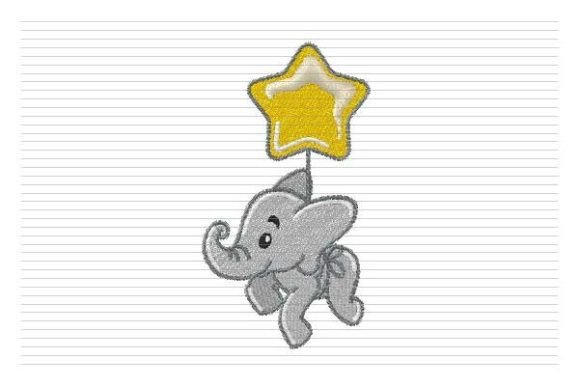
Last week, I was preparing a custom baby shower gift—a soft, blush pink sweatshirt that needed something delicate and personal. I loaded the Baby Girl Elephant Embroidery design onto my machine, not entirely sure what to expect. The first glance at the stitch preview made me pause. It wasn’t just another generic animal outline. The little elephant had a gentle curve to its trunk, a tiny floral crown, and an overall silhouette that felt both playful and poised. I knew immediately it would either become a staple in my nursery collection or a lesson in testing small details. What follows is everything I learned from that first stitch‑out and the projects that came after.
The Sweet Whimsy that Captures Attention
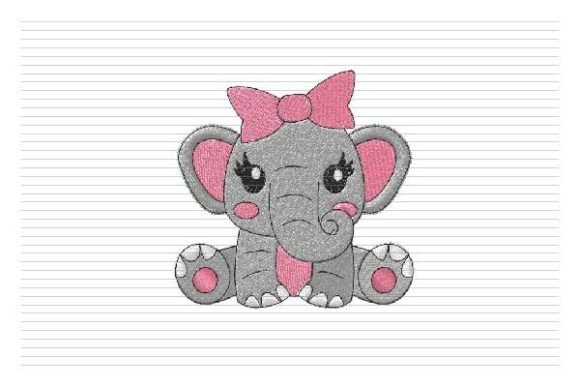
There’s a particular mood this design creates. It’s not loud or overly cartoonish. Instead, the Baby Girl Elephant Embroidery leans into a soft femininity that feels modern and timeless at the same time. The shape is rounded and friendly, the ear placement natural, and the little accents—perhaps a bow, a small flower, or a few delicate swirls—add a touch of whimsy without looking cluttered. As a designer, I appreciate when a digital embroidery file understands that less is often more on baby items. The theme doesn’t try to be a full scene; it’s a focused character that reads clearly even from a few feet away. This is important because when you’re selling a finished product, the buyer’s first impression usually happens at a distance, across a market table or in a thumbnail photo.
From a creative standpoint, the Baby Girl Elephant Embroidery fits squarely into the baby animals category, but it avoids the trap of looking too juvenile. It could easily be used on a nursery pillow and still feel sophisticated enough for a handmade boutique piece. The design’s personality is gentle and calming, which any parent or gift‑giver tends to recognize instantly.
Where This Embroidery Design Shines Brightest
After testing on several blanks, I can say with confidence this machine embroidery design is at its best on lightweight, soft‑colored fabrics. I tried it on a cotton onesie, a muslin swaddle blanket, a tiny tote bag, and a pre‑made bib. Each time, the design stitched out with a clarity that made the product look far more expensive than it was. The elephant’s outline, likely a smooth satin stitch, framed the shape beautifully, while the fill areas inside the ears and body had just enough texture to catch the light without overwhelming the fabric.
For small business owners, this design is a natural fit for baby shower gifts, personalized newborn sets, and craft fair inventory. I’ve already seen a few fellow Etsy sellers use similar Baby Girl Elephant Embroidery files on baby milestone blankets, keepsake pillows, and even as part of a larger nursery wall‑hanging. The whimsical feel makes it especially strong for spring and Easter collections, but honestly, it works year‑round. Because it’s a baby animals design, the emotional connection is immediate—people smile when they see a tiny elephant done well.
In my own shop, I plan to pair it with a simple script name or a short sentimental phrase on a tote bag. The design is compact enough to leave room for personalization, which boosts its value for custom orders. Imagine a “Welcome, Baby” message or a birth date—the elephant becomes the visual anchor, and the text adds the personal touch. That combination often leads to higher customer satisfaction and repeat business.
The Real‑World Stitch Test: Fabric, Stabilizer, and Hoop Considerations
I always test a new embroidery design on scrap fabric before committing to a final product. For the Baby Girl Elephant Embroidery, I started with a medium‑weight cotton and a tear‑away stabilizer. The result was crisp, with no puckering. That gave me confidence to move to a stretchy organic cotton onesie. Here, I switched to a cutaway stabilizer and added a water‑soluble topping to prevent the fine satin stitches from sinking into the knit. The difference was everything. The elephant’s tiny details—the flower petals, the curl of the tail—remained defined even after the fabric was stretched gently.
One practical note: if you’re stitching on a very dark fabric, like a deep navy or charcoal, the design’s soft pastel threads might lose their pop. I recommend doing a quick test on a black or dark scrap first. In some cases, a light underlay or a shift to slightly brighter thread shades can save the design. On the other hand, the Baby Girl Elephant Embroidery looks absolutely stunning on cream, white, soft pink, sage green, and lavender backgrounds. Those colors let the thread palette breathe and keep the mood light.
Hoop size is another factor. The design appears to fit comfortably in a standard 4x4 inch hoop, but I’d strongly advise checking the exact dimensions provided by the digitizer before purchasing. If the file is even a fraction too large, it can cause registration issues or force you to use a larger hoop that not every machine owner has. I’ve been burned before by assuming a design would fit, so I always double‑check. Small hoop machines are common among hobbyists, and a design that’s too large can instantly limit its usability.
The Elephant in the Details: Stitch Quality and Visual Appeal
When I evaluate a machine embroidery design, I look closely at stitch types and density. The Baby Girl Elephant Embroidery seems to rely on a mix of satin, fill, and running stitches. The satin border around the outer edge gives it a polished, finished look that resembles a patch. The fill stitches inside are likely light enough to keep the fabric drape soft, which is critical for baby clothes. No parent wants a stiff, scratchy patch on their newborn’s onesie. During my stitch‑out, I noticed very few jump stitches, and the ones that were present were easy to trim. That’s a sign of thoughtful digitizing.
Thread color choice plays a huge role in the final product’s visual appeal. The design’s feminine character comes through in soft pinks, dusty roses, and maybe a touch of pale gray for the elephant’s body. I tried a version with a metallic silver thread for the flower accent, and the result was magical—perfect for a heirloom‑style gift. Even if you stick to the suggested thread colors, the design offers enough texture and contrast to read clearly. This matters when you’re taking photos for an Etsy listing or a craft business website; the embroidery needs to be distinct and inviting, not a muddy blur.
The Crucial Steps Before You Stitch on a Final Product
I can’t stress enough how important it is to run a full test of the Baby Girl Elephant Embroidery on your chosen fabric before you start a client project. Over the years, I’ve learned that a few minutes of preparation can save hours of seam ripping and wasted blanks. Here’s the checklist I follow every time I introduce a new design into my workflow:
- Test on scrap fabric first – use the same material and stabilizer you plan for the final product.
- Check thread color contrast – what looks good on screen might be too light or too dark in reality.
- Review stitch density – if the design feels stiff, a lighter fill or a different underlay might be needed.
- Confirm the exact hoop size – measure the design in your embroidery software to avoid surprises.
- Inspect small details – look at the eye, tiny flowers, or any decorative elements after stitching to ensure they didn’t close up.
- Test in black and white – a quick monochrome mockup helps you see if the design has enough value contrast.
- Use the right stabilizer for the fabric type – cutaway for knits, tear‑away for wovens, and rinse‑away for delicate items.
- Check the color stop sequence – if the design has multiple colors, make sure the order doesn’t create unnecessary trims or registration issues.
- Verify the file format and stitch count – the description should tell you what formats are included; if not, reach out to the seller.
These steps aren’t optional if you’re selling finished products. A customer who receives a puckered, poorly stitched embroidered tote bag won’t become a repeat buyer. The Baby Girl Elephant Embroidery has the potential to elevate your brand, but only if you treat it with the same care you’d give any professional design asset.
From Hobbyist to Etsy Seller: Commercial Use Considerations
Many crafters wonder whether they can use a design like this on items they sell. The Baby Girl Elephant Embroidery is a digital embroidery file, and its commercial viability depends entirely on the license provided by the digitizer. I always read the license terms carefully before I list a product. Some designs come with a clear commercial use permission for finished goods, while others restrict sales to personal use only. If the product description doesn’t specify, ask. This simple step protects your small business from potential legal headaches.
Once you’ve confirmed the license, this design becomes a powerful tool for a range of products. I’ve already mentioned baby clothes and tote bags, but it can also work beautifully on:
- Embroidered patches for jackets or bags
- Pillow covers for nursery decor
- Kitchen towels for a baby‑themed gift set
- Holiday ornaments or stockings
- Aprons for a “little helper” gift
- Blankets and quilts
For Etsy sellers, the Baby Girl Elephant Embroidery photographs well. A clean, well‑lit image of the design on a plain onesie or a folded blanket can attract buyers looking for a personalized gift. I often use printable mockups in my listings to show the design in a lifestyle setting, but I always include a real stitched photo so customers see exactly what they’ll receive. The design’s soft, whimsical nature fits the current trend of understated, nature‑inspired nursery decor, making it a smart addition to a boutique brand.
A Few Final Warnings: Where to Use the Design Carefully
Not every surface is a good canvas for the Baby Girl Elephant Embroidery. I’ve had to politely decline custom requests where the design simply wouldn’t work well. Here are the situations that call for extra caution:
- Small hoop sizes – if the design is too large for a 4x4 hoop, you’ll need a larger machine, which not every crafter has.
- Textured fabrics like terry cloth or thick fleece – the fine details can get lost in the pile.
- Very thin or sheer fabrics – you risk puckering and tearing, even with a stabilizer.
- Stretchy, unstable knits – without proper cutaway stabilizer, the design will distort after washing.
- Dark fabrics where the pastel threads disappear – test first, or prepare to change thread colors.
- Curved surfaces like caps – the elephant’s shape might warp unless you have a cap frame and experience.
- Garments with heavy seams or zippers – the hoop might not sit flat, causing registration problems.
- Any product that needs frequent, aggressive washing – baby items are washed often, so secure all stitches and use colorfast thread.
By being selective about the product base, you maintain the design’s integrity and your reputation. The Baby Girl Elephant Embroidery is a delicate, charming piece, and it deserves a canvas that lets it shine.
At the end of my tests, I found the Baby Girl Elephant Embroidery to be a genuinely useful digital embroidery file. It delivers that sweet, feminine, whimsical feel the description promises, and it stitches out cleanly when you respect the fundamentals. For designers, small business owners, and crafters who focus on baby girl items, it’s a design that can anchor a whole collection. I’ll keep it in my library, ready for the next soft sweatshirt or tiny tote bag, confident that the little elephant will do its job—making someone smile and keeping customers coming back.