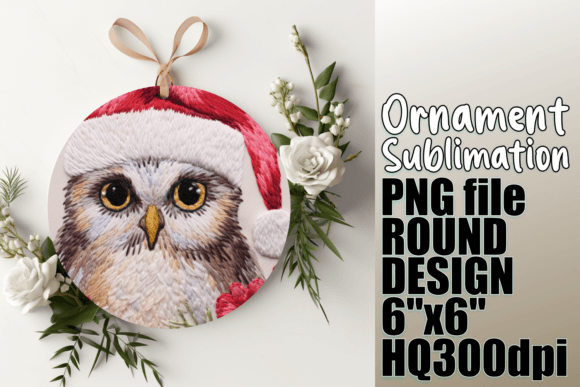
Xmas Embroidery Circle Art: A Designer’s Review
First Impressions: A Festive Circle with Brand Potential
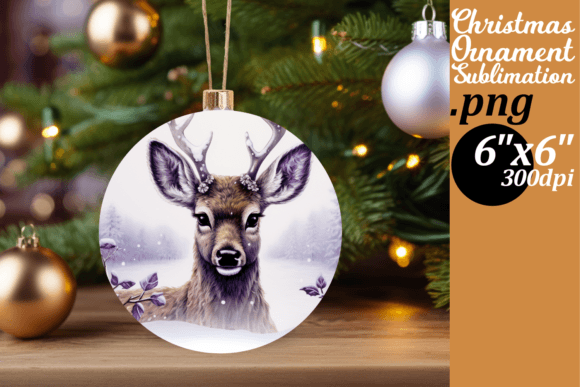
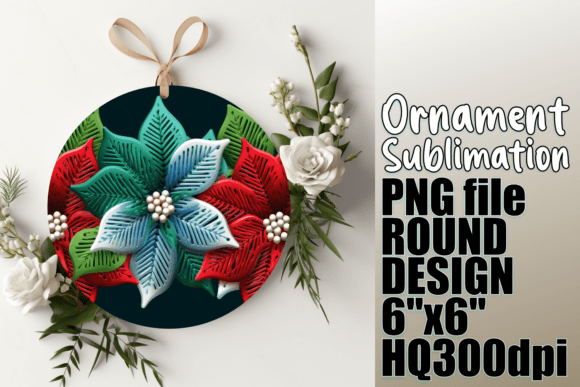
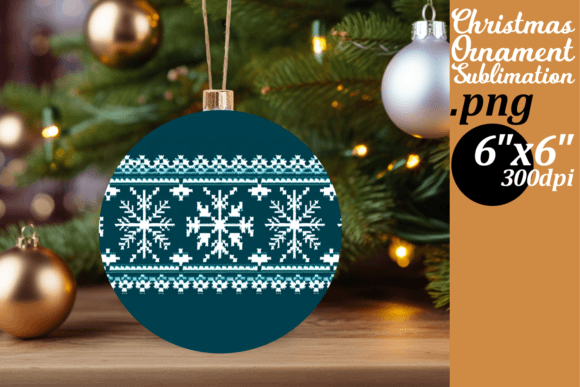
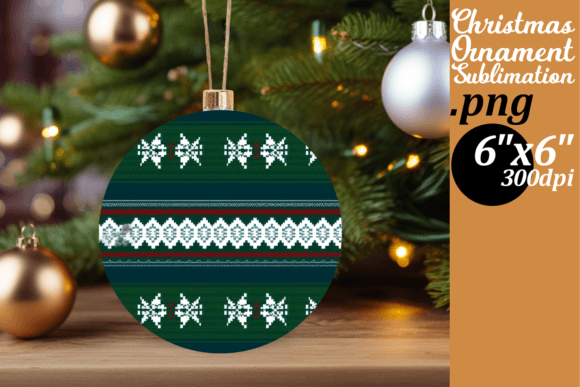
When I first opened the Xmas Embroidery Circle Art file, I immediately saw a design that balances holiday charm with a clean, circular layout. The title suggests a decorative, seasonal motif, but from a commercial embroidery standpoint, the real question is whether it can translate into a machine embroidery design that holds up on caps, aprons, and tote bags. The composition feels friendly and approachable, with a classic wreath-like framing that many small businesses crave for their seasonal merchandise. However, the product description mentions sublimation rather than embroidery, so I knew right away that this would need careful evaluation as a digital embroidery file—or a source graphic that must be digitized. For a craft business looking to add a branded holiday touch, the visual personality is warm, slightly rustic, and undeniably festive. It reads as a decorative circle that could easily become a embroidered patch or a chest accent on a work shirt. The circular shape is a smart choice because it fits standard hoop sizes and lends itself to symmetrical placement, a detail I always appreciate when reviewing design assets for small business merch.
Design Personality and Business Appeal
What strikes me about Xmas Embroidery Circle Art is its versatility in tone. It isn’t overly complex or cartoonish; it hints at a premium, handmade feel that suits a boutique, a bakery, or a creative studio. The circular framing suggests a seal or badge, which can elevate a simple apron or tote bag into something that looks intentional and professionally branded. As an embroidery designer, I look for designs that maintain their integrity when stitched, and this one has the potential to feel both handmade product authentic and commercially polished. The type of thread colors and fill techniques you choose will heavily influence whether it comes across as elegant, playful, or rustic. For a florist, adding a subtle metallic thread could push it toward a premium gift look. For a pet brand, a soft, textured fill on a canvas tote bag would make it feel cozy and approachable. The fact that it’s labeled as a Graphics file under the Crafts category tells me it’s a graphic asset first, so you’ll need to test how it digitizes and what level of detail survives the embroidery process.
Where This Design Shines in Small Business Merchandise
I’ve seen circle designs work brilliantly for custom apparel and branded merchandise, and Xmas Embroidery Circle Art is no exception. Here are the real-world applications where I believe it can deliver strong results for a small business:
- Embroidered patches: The circular shape is ideal for a standalone patch that can be sewn onto jackets, beanies, or tote bags. It creates a collectible, giftable item that customers love.
- Apron embroidery: Placed on the chest or bib of a café apron, this design adds a festive, professional touch without overwhelming the garment. It works beautifully for bakeries, coffee shops, or seasonal pop-up stores.
- Cap embroidery: The curved surface of a cap demands a design that doesn’t distort, and a centered circle motif often fits the front panel well. I’d test the size on a structured cap to ensure the details don’t close up.
- Tote bag design: A heavy canvas tote with this design in the center or corner becomes a walking advertisement. It’s perfect for Etsy sellers who want to include a reusable bag with purchases during the holiday season.
- Staff uniforms and work shirts: A small left-chest placement or a sleeve detail can turn a basic polo into seasonal staff apparel that still looks cohesive with the brand’s everyday identity.
- Product packaging accents: If you stitch this on small fabric tags or ribbon, you can attach them to candle jars, soap boxes, or bakery boxes for an artisanal, high-end feel.
- Event merchandise and customer gifts: For a holiday market or a boutique open house, a limited run of embroidered items using this design builds exclusivity and customer loyalty.
Where to Use Xmas Embroidery Circle Art Carefully
Not every surface or placement is forgiving, and I’ve learned over the years that a design that looks perfect on screen can become a headache on certain fabrics. With Xmas Embroidery Circle Art, I’d exercise caution in these scenarios:
- Very small patch sizes: If the design contains tiny lettering or intricate inner details, shrinking it below 2 inches could cause the stitches to blend together. Always do a stitch-out at the intended size first.
- Cap fronts with heavy curvature: While a circle can work, I’d digitize it with a slight downward arc to compensate for the cap’s curve. A perfectly flat circle may warp once sewn.
- High stitch density on lightweight fabrics: A dense fill on a thin rayon or performance tee can cause puckering. Use a quality cutaway stabilizer and consider reducing the density if the design is digitized from a graphic file.
- Dark uniforms: The contrast needs to be right. If the design is meant to be stitched in light thread on a dark background, test the visibility of the outlines. A dark thread on a dark shirt will lose the festive pop.
- Frequent washing: For items that undergo harsh commercial laundering, like kitchen staff aprons, I’d recommend a backing that holds up and thread colors that won’t fade. Polyester thread is a must here.
- Textured fabrics: A heavily textured fabric like a knit sweater or a fleece can swallow small details. I’d only use this design on smooth, stable surfaces unless you’re prepared for a distressed, rustic look.
How It Elevates Brand Identity and Customer Trust
For a small business, every visual detail matters. A well-executed embroidered patch or a neatly stitched logo on a uniform instantly communicates care and professionalism. Xmas Embroidery Circle Art can strengthen brand identity by offering a seasonal twist that still feels aligned with the business’s core aesthetic. A bakery that uses this design on holiday cookie boxes and staff aprons creates a cohesive, memorable experience. Customers start to associate that circular emblem with the warmth and quality of the brand. This kind of repeated visual cue builds recognition and trust faster than a generic holiday clipart ever could. When I stitch a design for a client, I look for elements that will photograph well and hold up on a printable mockup for social media. A circular badge design tends to look crisp and shareable, which helps with Etsy branding and online sales. The finished product feels more valuable when the embroidery is clean, the thread colors are deliberate, and the placement is thoughtful. That’s the difference between a craft business that looks handmade and one that looks professionally merchandised.
Practical Embroidery Designer Notes for Production
Before you commit to a large production run, I always advise a rigorous testing process. Here’s the checklist I follow when evaluating a file like Xmas Embroidery Circle Art for commercial embroidery use:
- Confirm the file format: The product description mentions sublimation, so this may not be an embroidery-ready file. You’ll need to check if it’s a vector or raster graphic and whether you have the software to digitize it into a machine embroidery design. If the seller cannot assist with the process, you must be comfortable with digitizing or hiring a digitizer.
- Test in black and white first: A great embroidery design should work in a single color. Stitch it out in black thread on white fabric to see if the shapes and spacing hold up. This reveals any weak areas in the design’s structure.
- Check small patch size viability: Stitch a sample at 2 inches and 3 inches wide. If tiny details disappear at the smaller size, you’ll need to simplify the design or increase the minimum size for your merchandise.
- Review thread color contrast: Digitize the design with a few different thread palettes. Test on light and dark fabrics to ensure the design doesn’t lose its impact. A festive design needs enough contrast to pop.
- Inspect spacing and small lettering: If the circle contains text, make sure the letters are large enough to sew cleanly. I’d aim for a minimum letter height of 4mm to avoid thread breaks or illegible stitching.
- Confirm hoop size: Measure the design’s outer diameter and ensure it fits within your available hoop sizes with room for the needle to move. A common 4x4 hoop can handle many circle designs, but always double-check.
- Test on real fabric: Woven cotton, denim, canvas, and performance polyester all behave differently. Stitch the design on the exact fabric you’ll use for the finished product to catch any puckering or distortion.
- Use proper stabilizer: For a clean patch, a medium-weight cutaway stabilizer is my go-to. For caps, I’d use a tear-away backing with a cap hoop. Don’t skip this step; it’s what keeps the design looking sharp after multiple washes.
- Create a mockup for client approval: Even if you’re the business owner, a digital mockup on a photo of the actual garment helps you see the placement and scale before you stitch. It’s a sanity check that saves time and thread.
- Compare beside other design assets: If you’re building a cohesive branded line, stitch this circle design next to your main logo or other motifs. Make sure the visual weight and style feel like they belong to the same family.
- Confirm commercial licensing: The product description doesn’t clarify usage rights, so reach out to the seller before using this on items you intend to sell. Don’t assume a personal-use license covers commercial embroidery or small business merch.
Final Thoughts on Xmas Embroidery Circle Art
As a design professional, I look at Xmas Embroidery Circle Art and see a flexible, festive asset that can add real value to a small business’s holiday lineup. Its circular badge layout is a proven format for patches, aprons, and tote bags, and the seasonal theme gives it a clear purpose without being too niche. The biggest hurdle is the sublimation mention in the description, which tells me you’ll need to handle the digitizing yourself or ensure the file can be converted smoothly. For Etsy sellers, craft business owners, and merchandise creators, this design can become a signature holiday accent that customers associate with your brand’s warmth and quality. Just remember to test thoroughly, choose your thread colors with intention, and always present a printable mockup to see how the finished product will look on the shelf. When done right, this little circle can turn a simple item into a memorable, gift-worthy piece that boosts both sales and brand recognition.