Ethnic Floral Embroidery Pattern: A Designer’s Honest Review
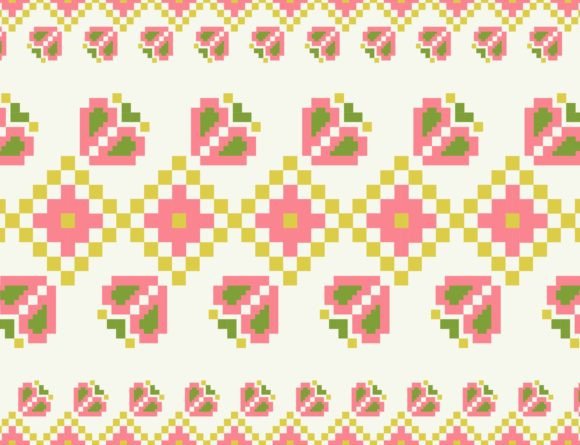
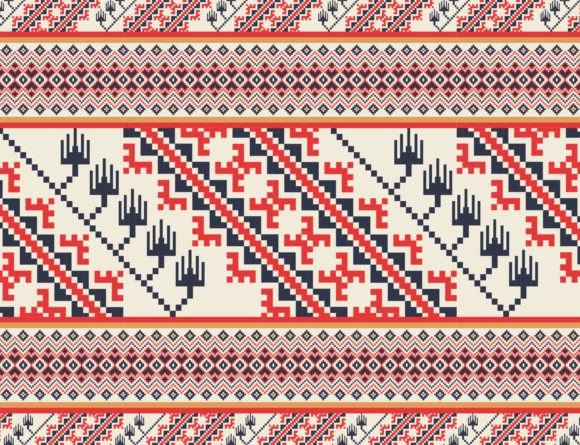
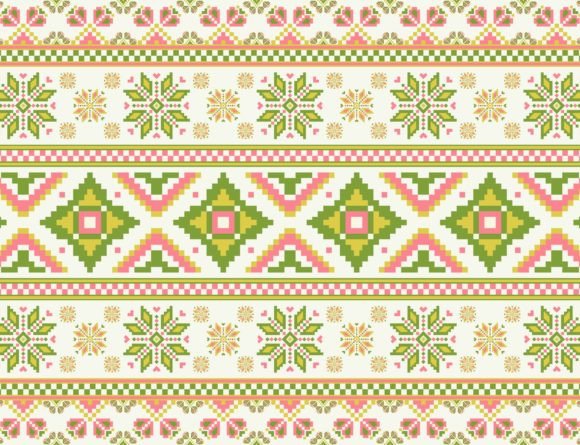
The moment I opened the Ethnic Floral Embroidery Pattern file, I knew it belonged in my weekend craft fair lineup. As a maker who tests every design before it ever touches a tote bag or tea towel, I look for patterns that grab attention, hold up under close inspection, and feel like a genuine handmade treasure. This one is a geometric floral explosion of color, described as a vector seamless pattern with an embroidery pixel art style. It promises to be bold, decorative, and wildly versatile. But does it actually deliver on a booth table full of handmade products? Let me walk you through what I discovered, what I’d change, and where this pattern will earn its keep.
First Impressions: Bold Geometry Meets Bohemian Soul
Right away, the Ethnic Floral Embroidery Pattern reads as festive, modern, and quietly global. It’s not a soft watercolor floral. It’s a structured, almost mosaic-like arrangement of petals, leaves, and geometric shapes. The pixel art styling gives it a retro craft feel, almost like a cross-stitch pattern translated into machine embroidery. That texture is a huge selling point. Customers who stop at my booth often run their fingers over the stitching, and a dense, rhythmic pattern like this invites touch. The “ethnic” descriptor suggests influences from traditional textile motifs, but the geometry keeps it fresh and wearable. I’d classify it as decorative bohemian — it’ll appeal to shoppers looking for something with personality, not just another generic floral.
Where This Pattern Shines in a Craft Fair Booth
At a busy market, you have about three seconds to catch a shopper’s eye. The Ethnic Floral Embroidery Pattern does that with its vibrant color palette and high-contrast geometry. It practically demands to be a focal point. I would never bury this design as a small accent on a pocket corner. Instead, I’d let it dominate a large canvas tote, a kitchen apron bib, or the full face of a linen pillow cover. When displayed on a neutral background — think natural cotton, oatmeal linen, or even faded denim — the thread colors sing. The seamless nature of the original vector pattern means you can scale it up for a repeating all-over motif on market bags or upholstery-style pouches, and that repetition creates a premium, high-end look.
Choosing the Right Products for Maximum Sales
After testing the design mentally on every blank I stock, here’s where the Ethnic Floral Embroidery Pattern truly belongs:
- Tote bags: A large-scale placement on one side of a sturdy canvas tote turns a simple carryall into a statement piece. The pixel art detail reads well from a distance and still rewards close inspection.
- Aprons: A centered chest embroidery or a wide band along the hemline adds a handmade touch that feels artisanal. I’d avoid tiny pockets — this pattern deserves breathing room.
- Tea towels: A single, generous motif on a flat-weave towel works beautifully. The geometric shapes stay crisp, and the colors pop against cream or unbleached cotton.
- Pillow covers: This is where the seamless repeat truly shines. I’d fill an entire 18x18 envelope cover with the pattern, creating a designer look that easily commands a premium price.
- Embroidered patches: A framed section of the pattern, finished with a merrow border, becomes a collectible piece. The pixel art style feels intentional and edgy on a patch.
- Fabric pouches and market bags: The design works as a compact repeat or a single bold panel. Its cultural vibe pairs well with drawstring bags and zipper pouches for festival-goers.
I would approach caps with caution. The curved surface and small embroidery area tend to distort intricate geometric lines. If you must use it on a hat, enlarge a single motif and keep it to the front panel only, but expect to lose some delicate pixel detail.
Practical Production Notes for Handmade Sellers
Before you run a batch of twenty tea towels, take a hard look at how this pattern stitches out. The Ethnic Floral Embroidery Pattern is described as a vector geometric floral shape, which means it was likely designed for scalability. However, pixel art style embroidery relies on distinct, blocky stitches to maintain its character. If you shrink the design too small, those charming blocks become a muddy mess. I recommend a minimum width of four inches for any motif to keep the geometry readable.
Stitch density is another critical factor. Geometric designs often pack dense fill areas right next to each other. Test the file on a scrap of the exact fabric you intend to sell. If the needle perforates the material too much, you’ll end up with a stiff, puckered product. Adjust the density in your embroidery software or ask your digitizer to lighten the fill slightly while preserving the pixel art look.
Stitch Density and Detail Warnings
This pattern is not a forgiving, loose sketch. It’s precise. That means every tiny petal point and geometric corner demands clean thread tension. I would avoid textured towels or thick terry cloth because the fine pixel details will sink into the nap and lose definition. Smooth, tightly woven fabrics are your best friend here. If you’re working with dark fabric, thread contrast becomes vital. The bright, colorful palette of the Ethnic Floral Embroidery Pattern will pop on black or navy, but only if you use a light underlay or a white base thread beneath the colors. Without it, the design may look muted and lose its energetic feel.
Small lettering or any tiny text that might accompany the pattern is not mentioned in the description, but if you add a slogan, keep it bold and simple. Delicate script will fight against the geometric dominance and likely fail to stitch cleanly.
Photographing the Finished Product for Etsy
Selling online as an Etsy seller or small shop owner means your product photos are everything. The Ethnic Floral Embroidery Pattern is a dream to photograph because the graphic, high-contrast style holds up beautifully in natural light. I would shoot flat lays on a light wood surface, roll a tea towel casually, and capture close-up macro shots of the pixel texture. A printable mockup of the pattern on a tote bag or pillow can help you list the product before you stitch a single sample, but never skip the real stitched mockup. Buyers want to see actual thread shine, fabric texture, and the true scale of the design. A close-up video of the embroidery under soft light will do more for your Etsy listing than ten polished product shots.
Batch Production and Booth Consistency
For a craft fair, consistency sells. The Ethnic Floral Embroidery Pattern allows you to build a cohesive collection quickly. I would stitch the same motif on a tote bag, a matching zipper pouch, and a set of tea towels. The repeating geometric theme ties the table together, making your booth look intentional and professional. Because the pattern is seamless, you can also use it as a design asset for printed materials like hang tags or booth signage, but be mindful of your commercial embroidery license and any restrictions on using the pattern outside of stitched products.
Batch production is smooth if you hoop carefully and use the right stabilizer. For tote bags and pouches, a medium-weight cutaway stabilizer prevents shifting. For tea towels, a no-show mesh keeps the back soft. I always run a test stitch on the exact fabric and stabilizer combination before committing to a dozen units. Nothing kills a craft fair vibe faster than a pile of rejects with puckered centers.
Final Designer Notes Before You Stitch
Every pattern has a personality, and the Ethnic Floral Embroidery Pattern is outgoing, colorful, and unapologetically decorative. But it demands respect. Here are the non-negotiable steps I follow before adding any design to my product lineup:
- Test on scrap fabric — identify any thread breaks or tension issues before you ruin a good blank.
- Check thread contrast — the vibrant description promises a colorful result, so choose thread colors that match the lively vector file.
- Review spacing — geometric shapes need enough gap to prevent thread buildup and needle clashes.
- Confirm hoop size — do not assume the pattern fits your standard hoop. Measure and verify.
- Inspect stitch density — in your embroidery software, look for overly dense regions that could cause puckering.
- Use the right stabilizer — match it to your fabric weight and the design’s stitch count.
- Create at least one real mockup — a stitched sample on the exact product material tells you more than any screen preview.
- Compare fabric colors — the pattern reacts differently on white, natural, and dark backgrounds. Test two or three options.
- Confirm commercial licensing — the product description lists it as a pattern for textile and home decoration, but verify that you are allowed to sell finished physical products made from the digital embroidery file.
The Ethnic Floral Embroidery Pattern is a strong candidate for becoming a signature craft fair product. Its bold geometry and pixel art character set it apart from the sea of soft, predictable florals. When placed thoughtfully on totes, pillows, and tea towels, it elevates the entire handmade product line. Just be smart about size, stabilizer, and thread choice. Stitch it big, let it breathe, and watch how customers slow down to touch the texture. That’s how you know you’ve found a keeper.