OpulentStitch Floral Embroidery Pattern: A Designer’s Review
First Impression: A Decorative Pattern Built for Boutique Brands
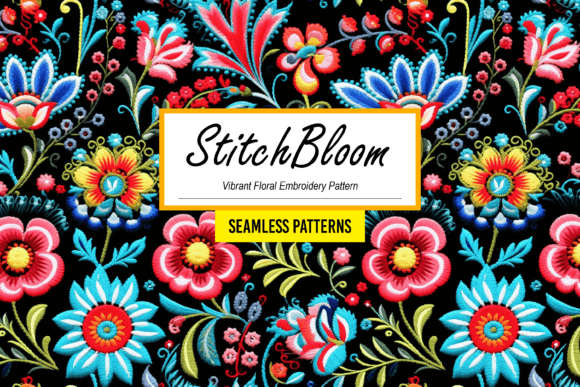
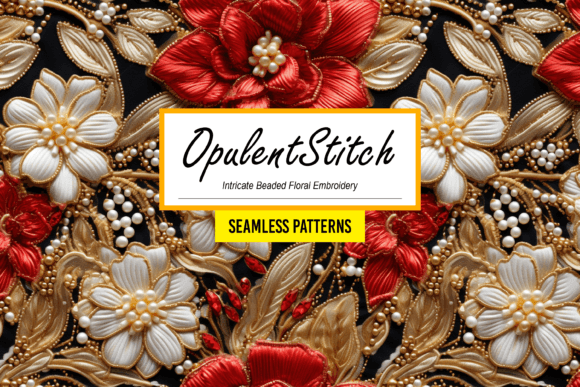
When I first opened the preview of OpulentStitch Floral Embroidery Pattern, I immediately saw a design that leans into elegance and texture. The description promises a hand-embroidered floral pattern with intricate beaded accents and realistic, textured stitches. That combination signals a decorative, almost heirloom-quality look. For a small business owner considering this for branded merchandise, the question is not whether it’s pretty — it’s whether that prettiness translates into a reliable, repeatable machine embroidery design that works across multiple products. My initial take is that this pattern fits best with brands that want to project a handmade, premium, and slightly romantic feel. Think a florist, a boutique bakery, a craft studio, or a pet brand with a soft, nature-inspired identity. It is not a bold, sporty graphic. It is not a minimalist logo. It is a brand identity asset that tells a story of craftsmanship.
Visual Personality and Brand Fit
The core of OpulentStitch Floral Embroidery Pattern is its floral motifs paired with beaded accents. In a finished product, those textured stitches create a sense of dimension that flat prints cannot achieve. The design feels friendly and approachable, but with a clear upscale tilt. I would categorize it as an elegant, decorative pattern that suits small businesses wanting to emphasize their handmade roots. A boutique selling handmade soaps could use it as a subtle chest logo accent on aprons. A café might place it on the sleeve of a work shirt instead of a traditional typographic logo. The beaded details suggest a tactile experience, and that is a strong selling point when you display the embroidered product in a physical store or in a close-up Etsy listing photo. Buyers perceive higher value when they see something that looks labor-intensive and precise.
Real Business Use: Patches, Uniforms, and Merch
Let’s move beyond decoration and talk about how this pattern actually performs in a commercial embroidery setting. As a designer, I always test a new digital embroidery file against a shortlist of common business applications. Here is how OpulentStitch Floral Embroidery Pattern stacks up for small business merch:
Embroidered Patches
This is a promising use case. The floral composition, with its beaded highlights, can create a collectible patch that feels like a premium brand add-on. I would recommend a patch size of at least 3 inches wide to preserve the detail of the textured stitches. Anything smaller, and those intricate accents may become muddy or require excessive thread trimming. A local florist could attach these patches to canvas tote bags as a customer gift, or a boutique could sell them as standalone items. The key is to request a sew-out sample first to confirm that the beaded sections read clearly when stitched on a dense base fabric.
Staff Uniforms and Aprons
For a café or bakery, a full chest-level placement of the pattern on an apron can look stunning. However, I always advise testing the design on the actual apron fabric — especially if it’s a heavy cotton twill or a waxed canvas. The textured stitches need a stable surface and a good cut-away stabilizer to prevent puckering. On a polo shirt or a light blouse, the stitch density might feel too heavy if the design is large. A smarter approach is to use the pattern as a pocket accent or a small back yoke detail, keeping the stitching area compact and comfortable.
Caps and Headwear
Cap embroidery is where I get cautious. The curved front panel of a cap demands a design that can flex without distorting. OpulentStitch Floral Embroidery Pattern contains detailed floral motifs and realistic textured stitches — elements that do not tolerate tight curves well. If you must place it on a cap, choose a low-profile, unstructured cap and center the design on the front, keeping the size under 2.5 inches wide. The beaded accents may need to be simplified or digitized with slightly looser thread tension to avoid a stiff, bulletproof feel. This is not a design I would confidently recommend for complex cap embroidery without a detailed digitizing adjustment.
Tote Bags and Product Packaging Accents
This is where the pattern truly shines. A canvas tote bag with a large, centered embroidery of the floral motif becomes a walking advertisement. The texture of the stitches contrasts beautifully with the fabric, and the beaded effect adds a luxury note. Small businesses can use these totes as packaging for orders, turning a functional item into a reusable branded asset. The same logic applies to zipper pouches, linen bread bags for bakeries, or fabric wraps for handmade soaps. The finished product feels intentional and adds a layer of customer delight.
Event Merch and Etsy Branding
For a craft business or an Etsy seller, this pattern is a visual differentiator. Print-on-demand competitors often rely on flat graphics. An embroidered version of the OpulentStitch floral on a mug rug, a needlebook, or a fabric label elevates the entire brand perception. Use it in your printable mockup to show potential buyers exactly how the texture will look in real life. That alone can increase buyer engagement because the promise of a tactile, handmade product is immediately visible.
Where to Use This Pattern Carefully
Not every product is a good home for such a detailed design. I always flag a few areas where an embroidery file like this can cause trouble:
- Small patch sizes — below 2 inches, the beaded accents and fine floral outlines may lose definition. The realistic texture relies on a certain amount of space to breathe.
- Cap fronts and curved surfaces — the design’s density and intricacy can warp on a domed cap. Expect registration issues if you do not modify the digitizing.
- Tiny lettering — if you plan to add a business name inside or around the floral, keep the text simple and bold. Thin script will clash with the busy, textured background.
- High stitch density on lightweight fabrics — the beaded sections likely have a dense stitch count. On a thin rayon or silk, this can cause tearing. Use a proper stabilizer and consider a topper to hold the stitches.
- Dark uniforms — the floral colors need to contrast well against a dark background. If the thread colors are all soft pastels, they may disappear on a black apron. Test the design in black and white first to check contrast.
- Frequently washed items — the beaded accents, if not carefully digitized, can catch on other items in the wash. A light cover stitch or a protective pressing after stitching can help, but durability must be tested.
How the Pattern Affects Your Brand Identity
When a small business uses OpulentStitch Floral Embroidery Pattern consistently across merchandise, it builds a visual language. This pattern is not a logo; it is a decorative asset. Yet it can function like a secondary logo — a signature that customers recognize. For a florist, the floral motif feels authentic. For a handmade skincare brand, it reinforces the botanical, natural message. The embroidered texture communicates that the business cares about quality, not just about slapping a logo on a cheap shirt. That perception directly influences customer trust and the perceived value of the product. A tote bag with a flat print might sell for $15; the same bag with a richly embroidered floral panel can command $30 or more.
Visual consistency is another benefit. Once you digitize the pattern correctly, you can scale it slightly and use it across multiple design assets: a small patch on a hat, a larger version on an apron, a simplified outline on a woven label. This flexibility makes the pattern a smart investment for a growing brand. However, avoid overuse. The pattern’s decorative nature means it should complement, not replace, a clear brand mark. Pair it with a simple wordmark or let it stand alone as a decorative element on a product where the brand name is printed elsewhere.
Practical Embroidery Designer Notes
Before you order a production run or list a product featuring this pattern, there are a few professional steps I always recommend. These apply to any machine embroidery design you purchase, especially one with detailed floral motifs and beads.
- Test in black and white first. Convert the preview to grayscale. If the contrast holds, the design will read clearly in thread. If it turns into a muddy blob, reconsider your thread color choices.
- Check small patch size viability. Scale the design to 1.5 inches, 2 inches, and 3 inches in your software. Look for thinning lines and disappearing beads. The sweet spot for this pattern is likely between 2.5 and 4 inches wide.
- Review thread color contrast. The beaded accents probably use metallic or high-sheen threads. Make sure those stand out against the main floral colors. A subtle tonal bead may look elegant on screen but vanish on fabric.
- Inspect spacing and density. Open the file in your digitizing program and examine the stitch density, especially around the beaded areas. High density can cause needle breaks or thread bunching. Adjust underlay and pull compensation as needed.
- Confirm hoop size. The product description does not specify a required hoop size. Always check before purchasing. A design this detailed might need at least a 4x4 inch hoop, but larger formats are safer.
- Test on real fabric. Stitch out the design on the exact fabric you will use for the final product. A cotton twill apron behaves differently than a soft canvas tote. Evaluate the texture, trim jump stitches, and wash the test piece.
- Use proper stabilizer. For the textured stitches, I recommend a medium-weight cut-away stabilizer on woven fabrics. For knits, a no-show mesh stabilizer can work, but the beaded sections may need a water-soluble topper to prevent sinking.
- Create a mockup for client approval. A printable mockup that shows the embroidered effect on a product photo helps set expectations. Show the actual stitch texture, not just the flat graphic.
- Compare it beside other design assets. If you already have a logo, a monogram, or a tagline, place them near the pattern in a layout. Make sure the hierarchy is clear and the floral doesn’t overpower your brand name.
- Confirm commercial licensing. The product is listed under Patterns and Graphics, but the description does not clearly state licensing terms. Before you use it on merchandise you sell, verify that commercial use is allowed. Some patterns are for personal use only, and small businesses need explicit commercial embroidery rights.
Final Assessment for Commercial Embroidery Projects
As a professional embroidery designer, I see OpulentStitch Floral Embroidery Pattern as a valuable addition for the right type of small business. It is not a universal workhorse design. It is a specialty piece. The realistic textured stitches and beaded accents demand careful digitizing, proper stabilizer choices, and a thoughtful application. But when used correctly — on a canvas tote, a boutique apron, a decorative patch, or a premium product label — it delivers a level of perceived quality that few printed graphics can match. The machine embroidery file itself becomes a silent brand ambassador, signaling care, craftsmanship, and a touch of luxury.
For a florist, this pattern could become the signature of their wrapped bouquet packaging. For a handmade skincare brand, it could turn a simple linen pouch into a keepsake. For a café, a small embroidered floral accent on a sleeve can make a uniform feel less corporate and more personal. The key is to respect the design’s density and detail, test everything thoroughly, and never assume that a beautiful preview will stitch out perfectly without adjustments. Treat OpulentStitch Floral Embroidery Pattern as a high-detail, decorative asset, and it will reward you with products that customers want to touch, keep, and show off.
If you are on the fence, start with a single test piece. Stitch the pattern on a tote bag or a patch blank. Show it to your best customers. I suspect they will respond to the tactile, almost handmade feel of the beaded floral. That reaction is the true measure of a successful embroidery design for a small business — not just a pretty graphic, but a finished product that connects with people.