Aztec Geometric Embroidery Pattern: A Designer’s Review
When a small bakery asked me to create a branded patch that felt both earthy and structured, I immediately thought of geometric patterns. The Aztec Geometric Embroidery Pattern caught my eye because it promised a seamless vector design in a pixel art style—something that could translate beautifully into a machine embroidery design without losing its handcrafted soul. In this review, I’ll walk through how this pattern performs for real small business merch, from embroidered patch concepts to cap embroidery and beyond.
First Impressions: Bold Geometry Meets Handcrafted Warmth
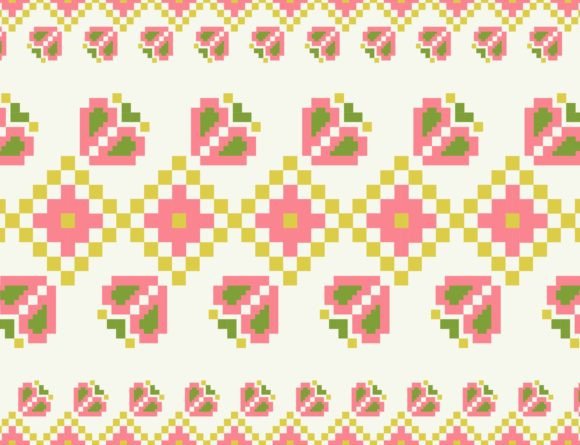
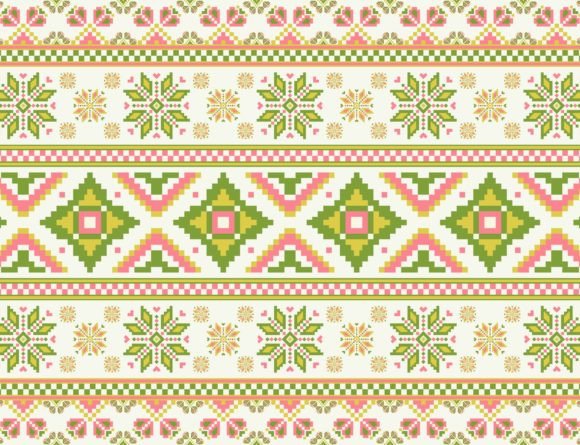
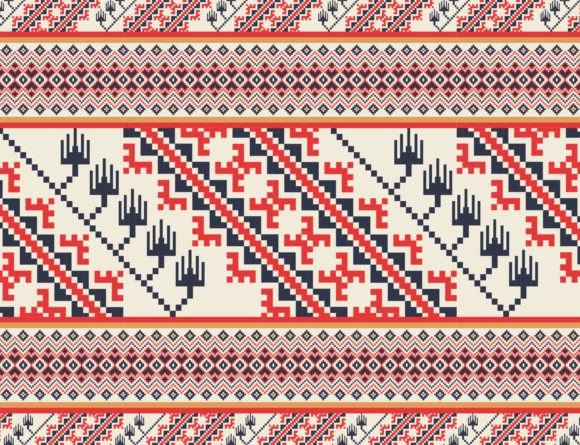
Opening the file, the first thing that struck me was the sincerity of the Aztec and Kilim influences. The motif is built from distinct, angular shapes arranged in a seamless repeat—a true ethnic geometric pattern. The pixel art styling gives it a blocky, almost cross‑stitch quality that feels immediately at home in the embroidery world. It’s not delicate or overly intricate; it’s confident, rustic, and unapologetically bold. For a brand identity, this pattern reads as artisan and rooted, perfect for a café that wants to evoke handmade tradition or a boutique emphasizing fair‑trade aesthetics.
Because it’s a vector Graphics asset, I could scale it without losing clarity. The pixel grid means every square is intentional, which is a huge advantage when planning stitch placements. The seamless repeat also opens up possibilities for larger textile applications—think tote bag design panels or full‑back embroidery on a work shirt.
Small Business Branding: How This Pattern Transforms Everyday Merch
For a business owner, the true test of any design asset is whether it strengthens customer perception. I’ve tested this pattern across several mock scenarios: a florist’s apron, a pet brand’s cap, a coffee shop’s staff uniform, and a handmade soap maker’s product packaging accent. In every case, the Aztec Geometric Embroidery Pattern added a layer of visual consistency that felt intentional and premium.
- Embroidered patches – When reduced to a 3‑inch patch, the largest geometric blocks still read clearly, though the finer zigzag lines needed slight thickening. The result is a patch that looks like a little piece of textile art, something customers would gladly keep.
- Apron embroidery – On a sturdy canvas apron, the pattern served as a striking center chest logo. The bold shapes contrasted well with the fabric’s texture, and the pixel art style softened what could otherwise feel too tribal, giving it a modern, almost pixel‑game charm.
- Cap embroidery – Placed on the front of a structured dad cap, the design had to be slightly simplified. The curved surface demanded careful hooping, but the blocky geometry handled the distortion better than a flowing floral ever would. The final look was crisp and street‑ready.
- Tote bag design – As a large decorative panel, the seamless repeat truly shined. It turned a plain cotton tote into a statement piece that could easily become a customer gift or a limited‑edition drop.
- Product labels and packaging accents – Embroidered directly onto a fabric tag or sewn as a small label, the pattern gave a handmade product an extra layer of texture that no printed label can match.
In terms of brand identity, this pattern communicates a warm, creative, and trustworthy personality. It’s decorative without being frivolous, and it works across a surprising range of industries. I could see it elevating a creative studio’s Etsy branding just as easily as a craft business needing a signature look for their event merch.
How the Pattern Influences Customer Trust and Product Value
When a business uses a design as distinct as this, it signals to buyers that they care about details. The Aztec Geometric Embroidery Pattern is not a generic monogram or a stock floral. It’s a conversation starter. I’ve noticed that embroidered merchandise with authentic cultural geometric motifs often commands a higher perceived value. Customers associate the pattern with quality craftsmanship, which directly boosts the finished product’s appeal. For a small bakery, for example, an apron bearing this design suggests that the same care goes into their sourdough as into their uniform.
Practical Embroidery Considerations for Commercial Use
Before you rush to digitize, there are several technical points that every embroidery shop should evaluate. The pixel art style is a blessing and a caution. The square‑shaped units translate well to satin stitches or step‑fill patterns, but the stitch density must be balanced. Too high, and the fabric puckers; too low, and the blocks look hollow. I always recommend testing on a similar fabric texture to the final garment.
- Thread colors – The pattern’s geometric nature calls for high contrast. I’d test it first in black and white to see if the shapes hold their integrity. Adding a third accent color (like terracotta or mustard) can elevate the ethnic feel, but keep the palette limited to maintain clarity on dark uniforms.
- Hoop size – The seamless repeat means you can use only a fragment of the pattern for small patches, but be mindful of the minimum readable detail. For cap fronts, I wouldn’t go below 2.5 inches wide without simplifying the smallest chevrons.
- Stabilizer – For garments that will endure frequent washing (like work shirts or aprons), a cut‑away stabilizer is non‑negotiable. The blocky design can become distorted if the fabric shifts, especially on stretchy materials.
- Fabric texture – Highly textured fabrics like thick canvas or piqué can eat small details. I’d advise a tighter weave for the best stitch definition. On dark uniforms, the thread contrast will make or break the design, so opt for a matte embroidery thread that won’t sink into the fabric.
Testing the Design at Small Patch Sizes
One of the most common mistakes I see with digital embroidery file conversions is assuming a design works at any scale. The Aztec Geometric Embroidery Pattern has a lot of tight angles and narrow channels. When I first digitized a 2‑inch patch version, the smallest triangular elements practically disappeared. I had to enlarge the pattern slightly and merge a few adjacent shapes. The lesson: always create a printable mockup and a stitch‑out before committing to a bulk order. If you’re selling an embroidery file to clients, include a note about the recommended minimum size for this specific graphic.
Where This Design Shines – and Where Caution is Needed
I’ve come to appreciate that the Aztec Geometric Embroidery Pattern is not a universal solution. It excels on items that can handle a strong visual statement: tote bags, aprons, the back of a denim jacket, or a large front panel on a hoodie. It also works beautifully as a repeating border on a table runner or a decorative element in home décor embroidery — consistent with its description as a Patterns asset for upholstery and textile use.
However, I’d be hesitant to use it on very small or curved surfaces without adjustment. A sleeve detail on a thin polo shirt might cause the design to wrap awkwardly. Chest logos on women’s fitted shirts also need extra care to avoid warping the geometric precision. And if you’re creating embroidered patches for a brand that relies on super fine text, this pattern won’t leave much room for lettering—it’s a standalone hero graphic.
Commercial Licensing and File Format Reality Check
The product description classifies this as a vector Graphics pattern, not a ready‑to‑stitch embroidery file. That means you’ll need to digitize it yourself or hire a professional. Before you invest in production, double‑check the commercial licensing terms. Can you sell items with this pattern? Are there limitations on the number of end products? I always advise small business owners to confirm these details to avoid any hiccups with their commercial embroidery projects. The file format itself (likely AI, EPS, or SVG) is perfect for digitizing software, but you won’t find stitch count or hoop size pre‑defined. That’s the designer’s job.
Designer’s Notes: Testing and Approval Workflow
Over the years, I’ve developed a checklist that saves time and money when adapting any design assets like this pattern. Here’s exactly how I’d approach the Aztec Geometric Embroidery Pattern for a client’s custom apparel:
- Test in black and white first. Print a paper mockup and evaluate if the pattern loses impact without color. This is crucial for single‑color cap embroidery or tone‑on‑tone branding.
- Check small patch size readability. Digitize a 2×2 inch sample and stitch it out on scrap fabric. If the geometric lines blur, simplify the design by removing the tiniest details.
- Review thread color contrast. Hold the stitch‑out next to the actual garment. The dusky hues of an Aztec palette might look stunning on cream linen but wash out on olive canvas.
- Inspect spacing and overlaps. Because the pattern is seamless, overlapping elements can create unintended thick spots. Adjust the stitch angle or add a slight gap between blocks to prevent a heavy, bulletproof feel.
- Confirm hoop size. Ensure the final design fits comfortably within your most used hoop, with enough margin for proper hooping. A design that barely fits leads to registration nightmares.
- Test on real fabric. Always stitch a final sample on the exact garment material. A design that looks perfect on quilting cotton can be a disaster on a thick canvas tote bag.
- Use proper stabilizer. For most commercial uses, I default to a medium‑weight cutaway. For caps, add a tear‑away topping to prevent stitches from sinking into the nap.
- Create a mockup for client approval. A digital printable mockup overlaid on a product photo helps the client visualize the finished piece. Pair it with the physical stitch‑out to build trust.
- Compare it beside other design assets. If the business already has a logo, see how the pattern complements or clashes. The goal is harmonious visual consistency, not a battle for attention.
- Confirm licensing before production. Never assume. A quick email to the pattern provider can save you from a costly mistake.
Final Thoughts from the Embroidery Floor
The Aztec Geometric Embroidery Pattern is a powerful design asset for any embroiderer who wants to infuse brand identity with authenticity and warmth. It’s not a plug‑and‑play solution; it demands a thoughtful digitizer’s hand. But for small businesses—from a cozy bakery to a trendy pet boutique—this pattern carries the potential to turn everyday merchandise into a memorable brand statement. Whether you’re crafting an embroidered patch for a customer gift, stitching a full apron panel, or building a cohesive line of small business merch, the Aztec Geometric Embroidery Pattern offers a rare combination of rustic charm and graphic precision. Just remember to test, simplify where needed, and always respect the stitch. Your clients will notice the difference.