Ikat Knitted Embroidery Seamless Pattern Review
Unzipping the Ikat Knitted Embroidery Seamless Pattern folder, I felt that familiar mix of curiosity and creative skepticism. I’ve been a machine embroidery designer for over a decade, and I’ve learned that a beautiful preview doesn’t always translate into a usable design asset. But this pattern had something different. The gentle, woven texture, the slightly irregular ikat dye effect, and the soft, almost hand-knit feel immediately caught my eye. This isn’t an embroidery file in the traditional sense—it’s a high-resolution graphic pattern—but for an embroidery business owner, that opens up a world of possibilities.
I was reviewing the Ikat Knitted Embroidery Seamless Pattern with a real customer order in mind: a set of coordinating kitchen linens and a baby blanket for a boutique gift box. The pattern’s muted, yarn-like texture felt warm, inviting, and perfectly suited for handmade products. Instead of a digitized stitch file, I saw a design asset that could elevate fabric prints, sublimation blanks, and embroidery mockups in ways that generic solids never could.
First Impressions: Texture, Mood, and Stitching Personality
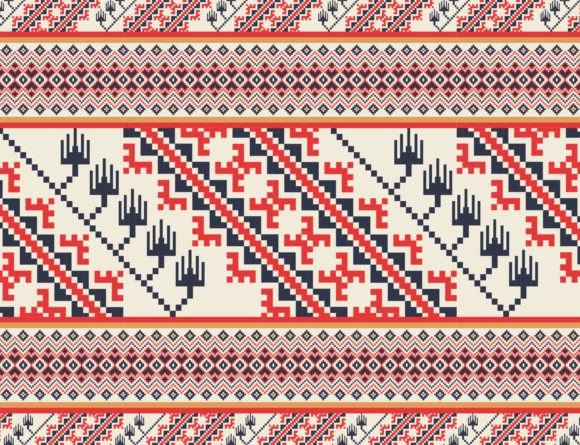
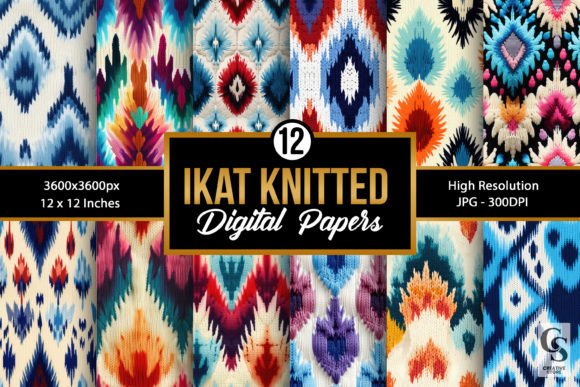
The moment I opened the zip file, I was greeted by 12 distinct JPG digital papers. Each one is a seamless pattern at 3600 x 3600 pixels, 300dpi, a true 12” x 12” tile. The resolution is generous for most craft projects. The patterns range from deep indigo and terracotta ikat motifs to soft cream and blush knits, all with that unmistakable slubby, woven character. The visual mood is cozy, artisanal, and slightly heritage-inspired—exactly what you’d want for a craft fair table or an Etsy shop that sells handmade gifts.
As an embroidery designer, I immediately evaluated the “stitching personality.” While this isn’t a stitch file you load onto a machine, the knit texture mimics a dense fill stitch or a heavy satin stitch with a subtle variegated thread effect. The repeat is seamless, so when you tile it across a tote bag panel or a baby blanket mockup, it reads as a continuous fabric. The detail level is just right—enough to give a decorative, dimensional look without overwhelming the surface. For projects where you plan to add actual embroidery on top, this pattern provides a neutral yet distinctive background that won’t compete with your applique design or monogram.
What Kind of Embroidery Project Does It Naturally Fit?
I mentally placed the Ikat Knitted Embroidery Seamless Pattern on several product types. It immediately felt right for nursery decor, baby items, and cozy kitchen textiles. The knit texture makes it feel soft and tactile, even when printed on a flat sublimation panel. For a custom apparel order—say, a sweatshirt with a small embroidered patch on the chest—this pattern could be used as a full-print background or as a decorative accent on the cuffs and hem. It’s also perfect for tote bags, aprons, and pillow covers where you want a handmade, boutique feel without the time and expense of creating a fully stitched texture.
Because the pattern is seamless, it’s easy to create a continuous fabric look for larger items like blankets or table runners. And for those of us who sell digital products, the Ikat Knitted Embroidery Seamless Pattern can be used in printable mockups, giving your listing photos that warm, textural vibe that helps buyers imagine the finished product. I’ve found that a well-styled mockup with a knit pattern background often boosts customer engagement and perceived value.
Practical Use in Real Embroidery Work
Let’s talk about how this graphic pattern can actually be used in embroidery projects, because this is where many crafters get confused. The Ikat Knitted Embroidery Seamless Pattern is a digital paper, a JPG file. You won’t be loading it into your embroidery machine as a stitch file. Instead, you’ll use it as a design asset for printed fabrics, sublimation transfers, or even as a reference for digitizing a similar texture. Here’s how I’d integrate it into my workflow:
For custom apparel and tote bags, I’d print the pattern onto transfer paper or sublimate it onto a polyester blank. Then I’d hoop the finished fabric and add real embroidery on top—a monogram, a small satin stitch flower, or an applique design. The knit texture underneath adds depth without requiring a dense fill stitch, saving time and reducing thread breaks. On a sweatshirt, the pattern can be printed on the front panel, and a matching embroidered patch can be sewn on the sleeve. The cohesive look is what sells the product as a premium, handmade gift.
For baby items, I’d print the pattern onto soft cotton or minky fabric using a DTG printer or a quality fabric sheet. Then I’d stitch a simple running stitch outline or a tiny lettering detail. The knit pattern keeps the overall look gentle and subtle, which is essential for infant products. When I create a baby blanket, the pattern becomes the base, and a small embroidered name or birth date in the corner adds that personalized touch without making the item feel overdone.
One of my favorite uses is for caps and patches. A curved cap surface can be tricky for embroidery, but if I sublimate the Ikat pattern onto the cap panel first, then stitch a minimal design on top, the result is a high-end look with far less risk of puckering. Similarly, for embroidered patches, I can print the pattern onto twill fabric, then stitch the border and a central icon. The patch instantly looks more textured and premium.
Performance on Different Fabrics and Product Challenges
When working with stretchy fabrics, dense embroidery can cause distortion. By using the Ikat Knitted Embroidery Seamless Pattern as a printed background, I can reduce the stitch count of my actual embroidery, which helps the garment maintain its shape. On dark fabric, I’d choose a lighter pattern variation from the set to ensure the ink shows up well, or I’d use a light-colored transfer paper. The 300dpi resolution holds up well even on textured surfaces, though I always recommend testing on scrap fabric first.
Small hoop sizes are another consideration. If you’re stitching a design on top of this printed pattern, the hoop must accommodate the embroidered part. The pattern itself doesn’t have a hoop requirement because it’s printed, but you’ll need to ensure your embroidery design fits within your machine’s hoop size. I’ve found that 4x4 hoops work well for patches and small tote bag accents, while larger hoops let you create full-panel designs on aprons or pillow covers.
Products that need frequent washing, like kitchen towels or baby bibs, require a durable print. I recommend using a high-quality sublimation or pigment print and then stitching the embroidery with a soft stabilizer. The knit pattern’s texture actually helps hide minor wear or fading, which is a bonus for items that get a lot of use.
How the Pattern Affects Product Value and Buyer Trust
Using a textured, seamless pattern like this one instantly elevates the perceived value of your handmade product. Customers are drawn to things that look artisanal and thoughtfully made. The Ikat Knitted Embroidery Seamless Pattern gives that “knitted sweater” feel without the bulk, making it perfect for lightweight items that still need a cozy vibe. When I used it on a pillow cover for a client’s nursery, the feedback was overwhelmingly positive—people loved the texture and assumed I had used a specialty woven fabric.
Consistency is key for brand identity. By using the same pattern set across multiple product types—say, a tote bag, a mug cozy, and a set of cloth napkins—you create a cohesive boutique line. This makes your Etsy shop or craft fair booth look professional and curated. The 12 variations in the zip file give you enough range to mix and match while keeping a unified look. I’ve also found that products with a subtle pattern background photograph better, especially for flat lays and lifestyle shots. The texture adds visual interest without distracting from the embroidered detail.
Practical Embroidery Notes Before You Begin
Before you download the Ikat Knitted Embroidery Seamless Pattern and start creating, here are a few practical tips from my own trial runs:
- Test on scrap fabric first. Print a small section and hold it against the actual garment or blank you plan to use. Check how the colors and texture look under different lighting.
- Check thread color contrast. If you’re stitching embroidery on top, choose a thread color that pops against the pattern. A soft cream knit might need a darker thread, while a deep indigo pattern works beautifully with metallic gold or white.
- Review stitch density. Since the pattern already adds visual weight, you can often use a lighter fill stitch or a simple running stitch for your embroidery. This saves time and reduces thread breaks.
- Confirm your hoop size. Make sure your embroidery design fits within the printable area of your pattern. The 12”x12” tile gives you plenty of room for most standard hoops.
- Compare light and dark fabric mockups. The same pattern can look dramatically different on a white sweatshirt versus a black tote. Use the different color variations in the set to find the best fit.
- Use proper stabilizer. Even though the pattern is printed, the embroidery on top still needs the right backing. Cutaway stabilizer is often best for knits and stretchy blanks.
- Inspect small details after stitching. If you’re adding tiny lettering, ensure the pattern’s texture doesn’t make the letters hard to read. A slight gap or a contrasting thread outline can help.
- Check the Creative Fabrica product page for licensing details. This is a Graphics product, so understand the terms of use before selling finished items. The description mentions 12 digital papers in a zip file, but doesn’t specify commercial license scope. Always verify before you list products for sale.
Who Should Download the Ikat Knitted Embroidery Seamless Pattern?
If you’re an embroidery designer, a Creative Fabrica user, an Etsy seller, or a small business owner who creates handmade products, this pattern set is a valuable addition to your design assets. It’s not a machine embroidery design file, but it fills a different need: it gives you the ability to add high-quality, textured backgrounds to your printed fabrics, sublimation products, and digital mockups. For boutique merchandise, seasonal gifts, and nursery decor, the Ikat Knitted Embroidery Seamless Pattern offers a warm, artisanal look that’s hard to replicate with plain solids.
I especially recommend it for crafters who want to expand their product line without investing in new embroidery files. Pair it with a simple applique design or a personalized monogram, and you have a product that looks layered and detailed. The high-resolution JPGs are easy to work with, and the seamless repeat means you can scale them to any size without losing quality.
Final Thoughts on the Creative Fabrica Find
After testing the Ikat Knitted Embroidery Seamless Pattern on several real projects, I’m genuinely impressed by its versatility. It’s not the typical embroidery pattern you might expect, but for the creative entrepreneur, it opens up a whole new way to add texture and warmth to handmade products. The knit motif feels current yet timeless, and the 12 variations give you enough creative freedom to experiment across different lines. Whether you’re embellishing a tote bag, creating a custom baby blanket, or designing a cohesive set of kitchen towels, this pattern helps your work stand out.
Remember that this is a Graphics product, so it’s not a stitch file. But when used thoughtfully, it can enhance your embroidery projects by reducing stitch time, adding background texture, and improving the overall presentation. For anyone selling on Etsy or at craft fairs, the Ikat Knitted Embroidery Seamless Pattern is a smart addition to your digital toolbox. Just be sure to test your setup, choose the right stabilizer, and always check the latest licensing details on the Creative Fabrica page before you start selling finished items.