Valentine’s Love Letter Embroidery: A Designer’s Take
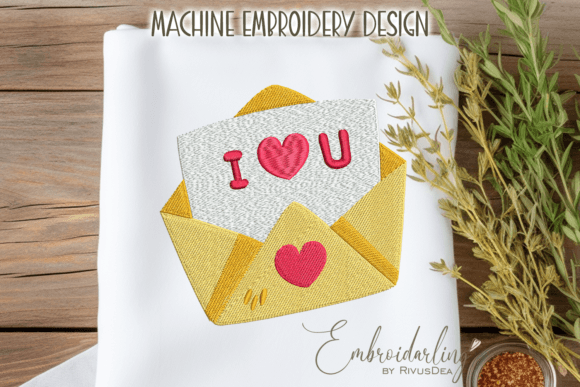
As a professional embroidery designer, I’ve digitized and tested hundreds of designs for small business clients. When I first opened the Valentine s Day Love Letter Embroidery digital file, I immediately saw a blend of playful charm and commercial flexibility. The description mentions a cute bird with a heart pattern — a theme that reads as warm, approachable, and romantic. Right away, my mind went to branded patches, café aprons, florist tote bags, and limited‑edition Valentine’s merchandise. This isn’t just a decorative piece; it’s a brand identity asset waiting to be stitched.
What struck me was the balance between detail and scalability. The bird motif feels hand‑drawn yet clean, which is exactly what you want for a machine embroidery design intended for commercial use. It’s not overly complex, so it won’t gum up a production run, but it has enough personality to stop a customer mid‑scroll. For any small business selling handmade goods, that pause is the first step toward a sale.
First Impressions: Charm Meets Commercial Potential
Opening the embroidery file, I usually do a mental check: will this translate to fabric without turning into a tangled mess? The Valentine s Day Love Letter Embroidery passes that test. The bird’s curves and the heart accents suggest a moderate stitch density — not too light to look sparse, not so heavy that it puckers on soft fabrics. The heart pattern is universal, which means it can work for a bakery, a pet boutique, a letterpress studio, or even a children’s brand. The “love letter” vibe gives it a vintage, heartfelt touch that feels both classic and trendy.
I often advise clients to look past the holiday label. Yes, this is categorized under Valentine S Day, but the cute bird with a heart is not tied to February 14th alone. It can live year‑round on thank‑you notes, customer loyalty gifts, or as a signature mascot. That longevity is a huge plus for a digital embroidery file you’re buying once and using forever.
Embroidered Patches for Branded Merch
One of the first things I tested mentally was a patch format. An embroidered patch made from this design would be a perfect add‑on for Etsy sellers, sticker‑meets‑fabric brands, or subscription boxes. The bird’s silhouette is distinct enough to be recognizable at 2.5 to 3 inches, and the heart detail gives it a tactile, premium feel. I’d recommend a merrow border or a clean satin‑stitch edge, depending on the brand’s aesthetic. For a small business merch line, these patches can be sold as iron‑on or sew‑on accessories, boosting average order value without a huge production cost.
Apparel Embellishments: Aprons, Caps, and More
When I picture this on custom apparel, a few placements immediately come to mind. On a cap embroidery, the bird would sit beautifully on the front panel or as a side hit, adding a subtle conversation starter. For a florist or café, a left‑chest placement on an apron creates a consistent, friendly uniform look. The same goes for apron embroidery on a denim or canvas bib — the heart pattern adds a touch of softness without being too cutesy for a professional setting.
Tote bag design is another natural fit. Stitched on a natural cotton tote, the design becomes a walking advertisement. I’ve seen boutiques use similar motifs to mark their packaging or as a giveaway with purchase. Because the design isn’t overly gender‑specific or age‑restrictive, it appeals to a broad customer base. Even a handmade product like a quilted pouch or a fabric journal cover would benefit from this little bird as a focal point.
Product Packaging and Gift Add‑Ons
Beyond wearables, this embroidery shines on packaging accents. Think of a small fabric tag sewn onto a bakery box, a ribbon with the bird embroidered at the end, or a felt ornament attached to a gift bag. These details elevate the finished product and signal to the buyer that care went into every step. For a creative studio, this could be the difference between a generic box and a memorable unboxing experience. I’ve even used similar designs on fabric‑wrapped soap or candle labels — the thread texture adds a rustic, handcrafted quality that paper prints can’t replicate.
Strategic Considerations: When to Use Caution
No design is one‑size‑fits‑all, and the Valentine s Day Love Letter Embroidery has its limits. First, small patch sizes under 1.5 inches will likely lose the bird’s eye and the heart detail. If you’re embroidering on a pen sleeve or a tiny zipper pull, consider scaling up or using only the heart element. Second, cap fronts with a steep curve can distort the bird’s proportions if you don’t adjust the digitizing for a cap frame. Always test on a curved surface before committing to a bulk order.
I also watch out for high stitch density on lightweight fabrics. A thin rayon or silk might pucker under the heart’s fill stitches. I’d recommend a medium‑weight woven or a stable knit, paired with a cutaway stabilizer, to keep the design crisp. On textured fabrics like fleece or terry cloth, the bird’s outlines might blur — a water‑soluble topper can save the day. And if your brand uses dark uniforms, be mindful of thread colors. The design’s charm relies on contrast; a dark bird on a black shirt might disappear. Test a white or pastel thread palette to make the heart pop, or use a tonal approach for a subtle, debossed look.
Building Brand Identity with a Cute Bird Motif
From a branding perspective, the Valentine s Day Love Letter Embroidery does more than decorate — it tells a story. When a customer sees a consistent emblem across a tote bag, an apron, and a patch, they start to associate that image with the quality and emotion of your business. The bird with a heart suggests care, affection, and a personal touch. For a bakery, it whispers “made with love”; for a florist, it reinforces the romantic nature of the product; for a pet brand, it adds a whimsical, friendly note. This kind of visual consistency builds customer trust and recognition faster than a logo alone.
I’ve seen small businesses transform their brand identity by weaving a single motif into everything they sell. The key is to use the design as a design asset across multiple touchpoints, not just a one‑off decal. Pair it with a handwritten font for a truly handmade feel, or keep it clean and modern with a simple sans‑serif underneath. Either way, the bird becomes a signature that increases buyer engagement and perceived product value.
Designer’s Production Checklist
Before you send this to your embroidery machine, here’s the workflow I follow with every new commercial embroidery file. First, test stitch in black and white on a scrap of the actual fabric you’ll use. This reveals any density issues or registration problems without the distraction of color. Then, check the design at the smallest intended size — if tiny details turn into blobs, you’ll need to simplify or enlarge. Always confirm the hoop size required; the file details should specify this, but if not, measure the stitch area and compare it to your machine’s capabilities.
Next, create a printable mockup for client approval. Even if you’re the client, a mockup helps you visualize the finished product on a real item. I use photos of blank totes, caps, and aprons, then overlay a digital preview of the embroidery. This step catches placement errors before you waste thread. Finally, compare this design beside other design assets you plan to use — does the style, scale, and color palette match? Cohesion is everything in branding.
One non‑negotiable: check the commercial licensing that comes with the digital embroidery file. The product description here doesn’t explicitly state the license terms, so reach out to the seller or platform to confirm you can use the design on items you sell. Many files are for personal use only, and using them on small business merch without permission can lead to legal trouble. Also verify the included file formats — you’ll need a format compatible with your machine, whether it’s DST, PES, EXP, or another. Don’t assume; always confirm.
Final Thoughts for Small Business Owners
The Valentine s Day Love Letter Embroidery is a versatile, emotionally resonant design that can anchor a product line or add a sweet accent to existing merchandise. Its playful yet clean aesthetic suits a wide range of handmade product businesses, from bakeries to boutiques. With proper testing, the right stabilizer, and thoughtful placement, it will stitch out beautifully and hold up to repeated washing — a must for any custom apparel or accessory. Treat it as a core brand identity piece, and you’ll find it repays the investment many times over in customer loyalty and recognition.